The Yoruba Pantheon: A Complete Guide to the Òrìṣà
You've probably encountered the word Òrìṣà somewhere — in a song, a documentary, a diaspora spiritual practice, or maybe just a curiosity that wouldn't leave you alone. What you're less likely to have found is a grounded, accurate introduction that treats the subject with the theological seriousness it deserves. This guide does exactly that: it walks you through who the Òrìṣà are, where they come from, how they're honored, and how the Ifá tradition weaves through all of it — without sensationalism, and without the colonial distortions that still cloud too many popular accounts.
What Are the Òrìṣà?
Defining the Òrìṣà in Yoruba Cosmology
The Òrìṣà are divine intermediaries — spiritual beings who embody specific cosmic forces, natural phenomena, and dimensions of human experience. They are not gods in the Greco-Roman sense, and that distinction matters. Yoruba cosmology doesn't present a pantheon of warring, self-interested deities. The Òrìṣà are concentrated expressions of Aṣẹ, the divine energy that animates all existence. Honoring them is, at its core, a way of engaging with that energy in its most specific and accessible forms.
The tradition holds that there are 401 Òrìṣà — a sacred figure that functions symbolically rather than as a literal census. It means, roughly, as many as you can conceive, plus one more. The actual pantheon includes primordial beings who pre-date humanity, ancestors elevated to divine status after exceptional lives, and personified natural forces that Yoruba cosmology has recognized and cultivated across millennia.
Within this framework, the Òrìṣà occupy a specific theological layer. They are not the ultimate source. That role belongs to Olódùmarè.
The Relationship Between Olódùmarè, Òrìṣà, and Humanity
Olódùmarè is the supreme creative force in Yoruba theology — remote, absolute, and not directly accessible through ritual in the way the Òrìṣà are. The Òrìṣà exist partly to bridge that gap: they receive prayers, offerings, and devotion on behalf of human communities, and they act as the channels through which Olódùmarè's creative power flows into lived experience.
Every human being also carries an Orí — a personal spiritual head, an inner destiny chosen before birth. Orí works alongside whatever tutelary Òrìṣà accompanies a person's life. This is why someone might be said to "belong to Ọṣun" or "belong to Ṣàngó" — not because Olódùmarè is absent from their life, but because that Òrìṣà's energy resonates most deeply with the specific path they came to walk. The relationship is layered, intimate, and — once you understand its architecture — quite elegant.
Origins and Oral History of the Òrìṣà
The Role of Odù Ifá in Preserving Òrìṣà Narratives
The primary literary home of Òrìṣà knowledge is the Odù Ifá: a vast, layered oral corpus that encodes Yoruba wisdom, history, and theology in the form of verses called Ese. The corpus is organized into 256 major sections, each containing approximately 800 Ese — though "approximately" is doing real work in that sentence. The Odù is not a closed book. Practitioners continue to add Ese, meaning the corpus grows as the tradition lives.
UNESCO formally inscribed the Ifá divination system on its Representative List of the Intangible Cultural Heritage of Humanity in 2008 (originally proclaimed in 2005), recognizing precisely this quality — its dynamic, living character rather than its antiquity alone. Inside the Ese, listeners find the Òrìṣà portrayed not as abstract forces but as personalities with histories, relationships, failures, and triumphs. That texture is why this tradition has sustained itself for so long.
Historical and Mythological Roots
Two categories of origin coexist inside the Yoruba pantheon. Some Òrìṣà are primordial: beings like Ọbàtálá who pre-date humanity and participated in creation itself. Others are historical human beings — kings, warriors, healers — whose exceptional lives or deaths resulted in their elevation to divine status. Ṣàngó, who we'll meet shortly, is the most famous example of this second category.
This dual origin is not a contradiction. It reflects a Yoruba theological understanding that the boundary between human and divine is permeable in both directions: Olódùmarè sends divine power downward through Aṣẹ, and humanity reaches upward through lived excellence and sacred recognition. The Odù Ifá preserves both kinds of story, which is why serious engagement with the Òrìṣà almost always moves eventually toward engagement with understanding Odù Ifá.
Major Òrìṣà and Their Domains

Ọbàtálá: Creation and Moral Purity
Ọbàtálá is credited with shaping the physical form of human beings. Where Olódùmarè supplies the animating breath of life, Ọbàtálá's hands — in the mythological account — model the clay. His sacred color is white: not as a symbol of racial category, but as the visual representation of peace, clarity, and moral impeccability. Devotees honor these qualities through white clothing, white offerings, and a strict avoidance of alcohol, which is said to be anathema to his purity.
He holds a particular tenderness toward people born with physical differences, who are considered especially sacred to him. This dimension of his character makes him not just a creation deity but an Òrìṣà of dignity — a reminder that the full range of human embodiment is intentional, not accidental.
Ṣàngó: Thunder, Justice, and Kingship
Ṣàngó began as a human king. Tradition identifies him as the fourth Aláàfin (king) of the Ọ̀yọ́ Empire — though some oral lineages count him as the third, a variation the tradition itself acknowledges without finding troubling. After his death, he was elevated to divine status as the Òrìṣà of thunder, lightning, royal justice, and fire. His ritual symbol is the òṣẹ, the double-headed battle-axe.
His story carries moral weight that goes beyond meteorology. Thunder, in Yoruba understanding, announces justice. When lightning strikes, Ṣàngó is making a declaration. He is associated with the enforcement of social order and the punishment of liars — which explains why oaths are sometimes sworn in his name. Ṣàngó's human origin also makes him accessible in a particular way: he is divine power that once walked the earth and knows what it costs.
Ọṣun: Fertility, Love, and Fresh Waters
Ọṣun governs love, fertility, fresh water, and what we might call feminine power in its fullest sense — not as a gender category alone, but as the quality of life-giving, generative force. She is the patron of the Osun River in Nigeria, and the relationship between deity and geography there is not metaphorical. The Osun-Osogbo Sacred Grove, on the outskirts of Osogbo, is regarded as Ọṣun's dwelling place and was inscribed as a UNESCO World Heritage Site in 2005. It is one of the last remnants of the primary high forest that once bordered most Yoruba cities.
Ọṣun is considered one of the most widely venerated of all the Òrìṣà. Her colors are gold and amber. Her offerings include honey. She is associated with beauty, diplomacy, and the kind of quiet power that flows around obstacles rather than through them. That quality — water finding its way — is perhaps her most enduring teaching.
Ògún: Iron, War, and Innovation
Ògún is the Òrìṣà of iron, war, hunting, and metalworking. His patronage extends to anyone whose livelihood depends on iron tools or blades: warriors, blacksmiths, farmers with machetes. And then, without apology, to surgeons and drivers.
That extension is not a modern stretch. Ògún's domain was never specifically about swords — it was about the transformative, potentially violent force of cutting through matter to achieve purpose. A surgeon's scalpel belongs to Ògún's logic as cleanly as any battle-axe. This adaptability is part of what makes the Yoruba tradition's theological categories so durable.
Other Essential Òrìṣà You Should Know
Yemọja, Ọya, and Èṣù
Yemọja is revered as the mother of all Òrìṣà, and her original association is with the Ogun River in Nigeria. She governs fertility, healing, and the protection of women and children. In diaspora traditions — Candomblé, Lucumí — her domain expanded from river to ocean, a shift that reflects both the physical realities of the Middle Passage and the adaptive genius of the communities who carried her across the Atlantic.
Ọya is the Òrìṣà of wind, storms, transformation, and the boundary between the living and the ancestors. Where Ṣàngó brings thunder, Ọya commands the gale that comes before and after. She governs radical change — not comfortable change, but the kind that strips away what no longer serves. She is also associated with the marketplace and, in some traditions, with the dead.
Èṣù deserves special attention, because he is the most misunderstood figure in the entire pantheon. Èṣù is the Òrìṣà of crossroads, communication, and the enforcement of natural and divine law. As the divine messenger, no ritual or sacrifice can reach any other Òrìṣà without first being acknowledged by Èṣù — he opens all paths. Christian missionaries systematically conflated him with the devil, a colonial distortion that has no basis in Yoruba theology. Èṣù is not evil; he is the necessary first principle of all sacred communication. Read more about the role of Èṣù in Yoruba spirituality.
Òrìṣà-Nlá, Ọ̀rúnmìlà, and Beyond
Òrìṣà-Nlá is a title sometimes used interchangeably with Ọbàtálá, though scholars and practitioners debate whether the two are identical or distinct aspects of related cosmic functions. The name translates roughly as "the great Òrìṣà" and signals a primordial creative authority that oversees the full arc of creation.
Ọ̀rúnmìlà stands apart from most Òrìṣà in a specific way: he is the Òrìṣà of wisdom and the patron of Ifá divination. According to Yoruba belief, Olódùmarè designated Ọ̀rúnmìlà as the guardian of the vast oral tradition of Yoruba knowledge. The word Ifá itself refers to this mystical figure — which means that the divination system and the Òrìṣà who presides over it share a name, a depth of identification that signals just how central he is to the entire tradition.
The 401 extends further still: Ọ̀bàlúayé, associated with illness, healing, and the earth; Aganjú, of the volcano and wild lands; Òṣòòsì, hunter and tracker. Each carries a distinct character, a distinct domain, and — for practitioners — a distinct relationship that can be cultivated over a lifetime.
How the Òrìṣà Are Venerated
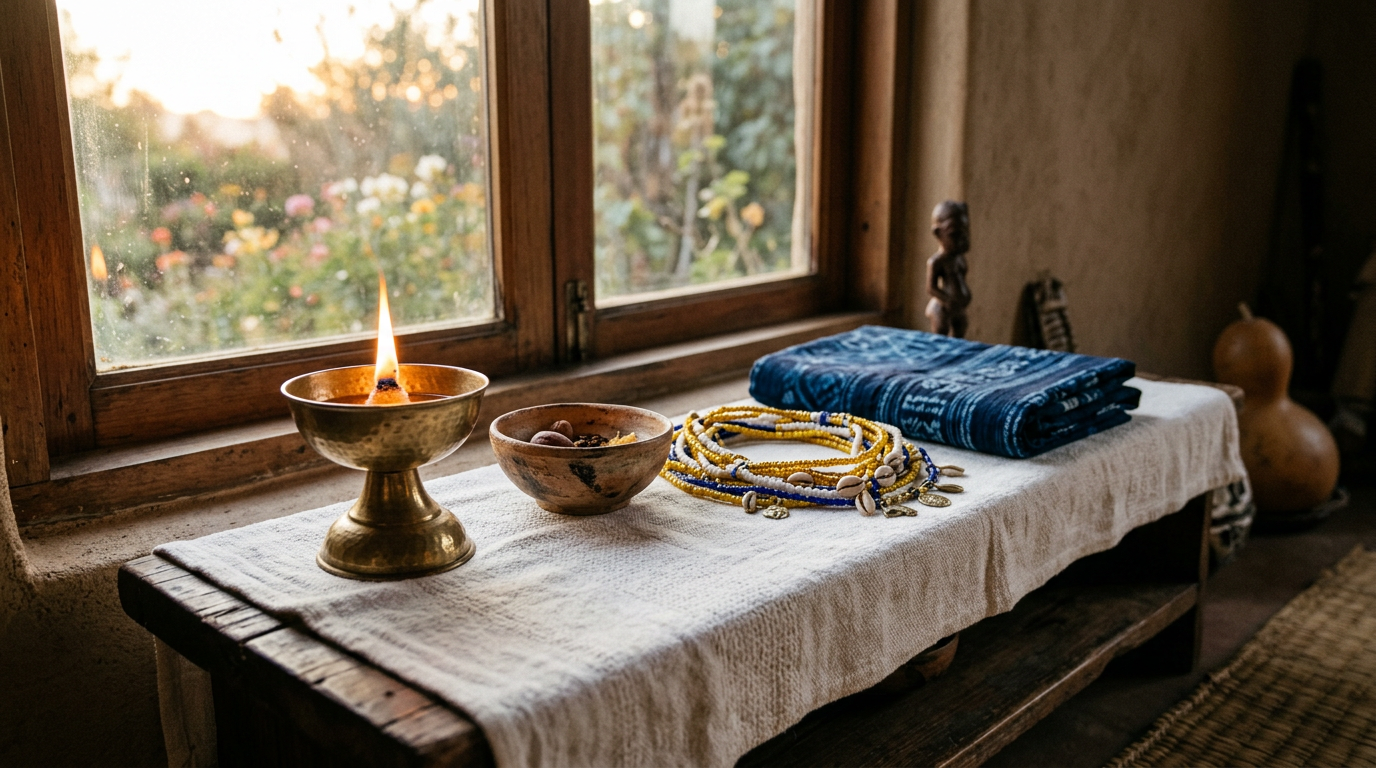
Altars, Offerings, and Sacred Objects
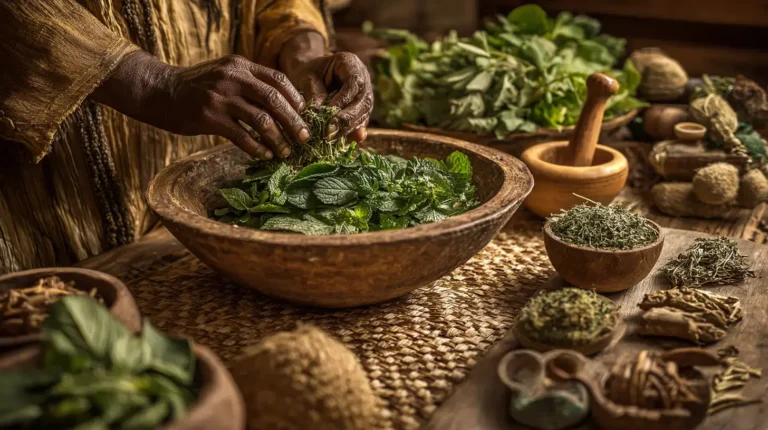
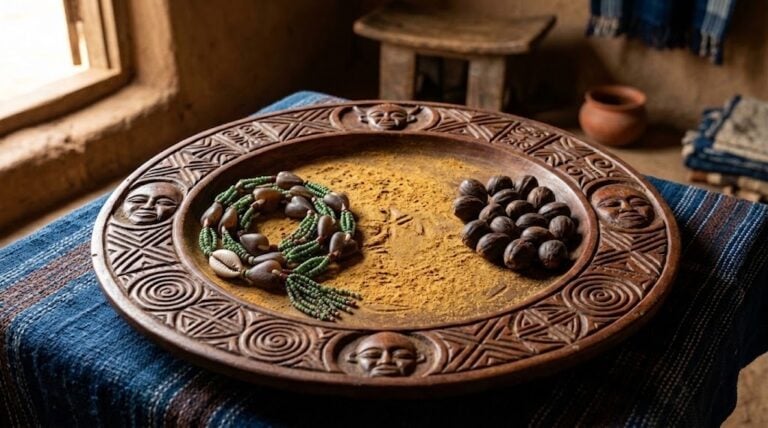
Veneration is concrete. Each Òrìṣà has specific colors, foods, sacred objects, and days associated with their honor, and a devotee's altar reflects these particulars in physical form. Ọbàtálá's shrine will be white; Ọṣun's will gleam with gold and hold honey. These associations aren't decorative choices — they are the material language through which devotees communicate intention and relationship to a specific divine force.
Offerings function as reciprocal exchange, not transaction. You are not buying a favor; you are feeding a relationship. The distinction matters enormously for newcomers who may arrive with the cultural assumptions of a vending-machine religiosity. Aṣẹ flows through sustained, honest relationship — not through the size of the gift.
Festivals, Song, and Dance
Òrìṣà worship is a full-body practice. Song and drum rhythms are not accompaniments to veneration; they are veneration. Each Òrìṣà has specific drum patterns called upon to invite their presence, and the relationship between particular rhythms and particular divine energies is itself a form of sacred knowledge transmitted through initiation.
Annual festivals — like the Osun-Osogbo festival in Nigeria, which draws hundreds of thousands of pilgrims — make this dimension visible at scale. But the same principle applies at household level: a devotee singing morning praises at a personal shrine is doing the same work, scaled differently. The form changes; the principle doesn't.
The Role of Priests and Priestesses
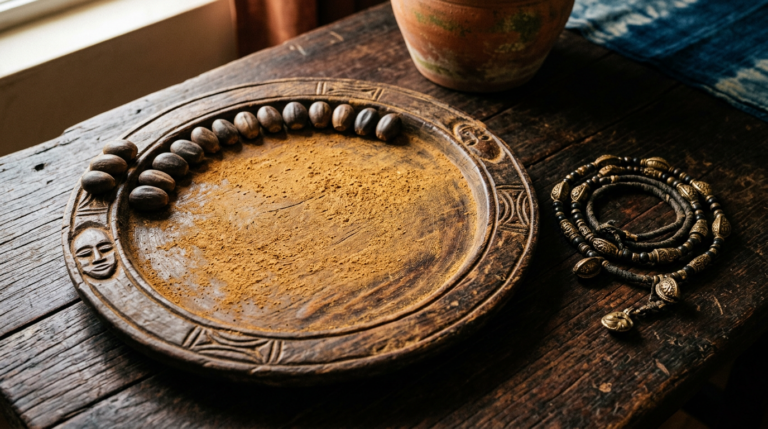
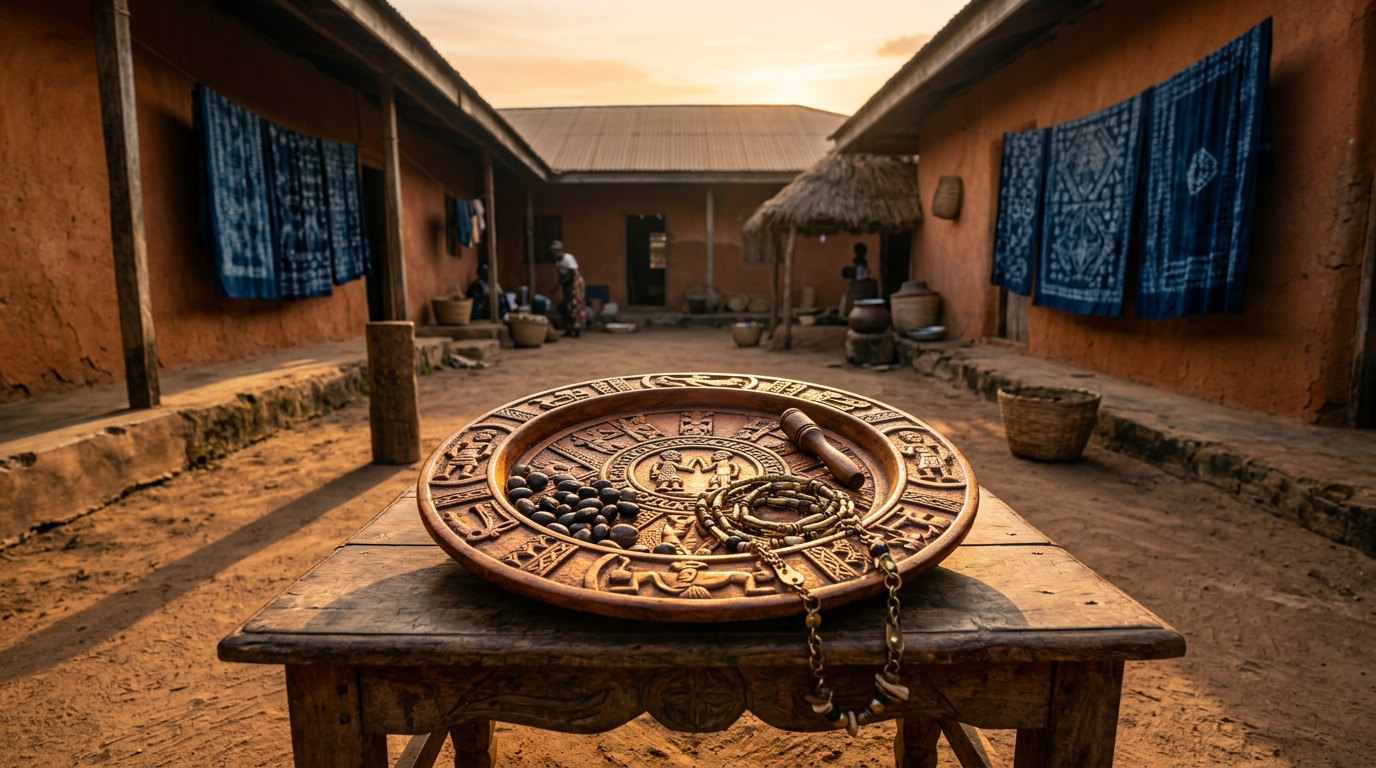
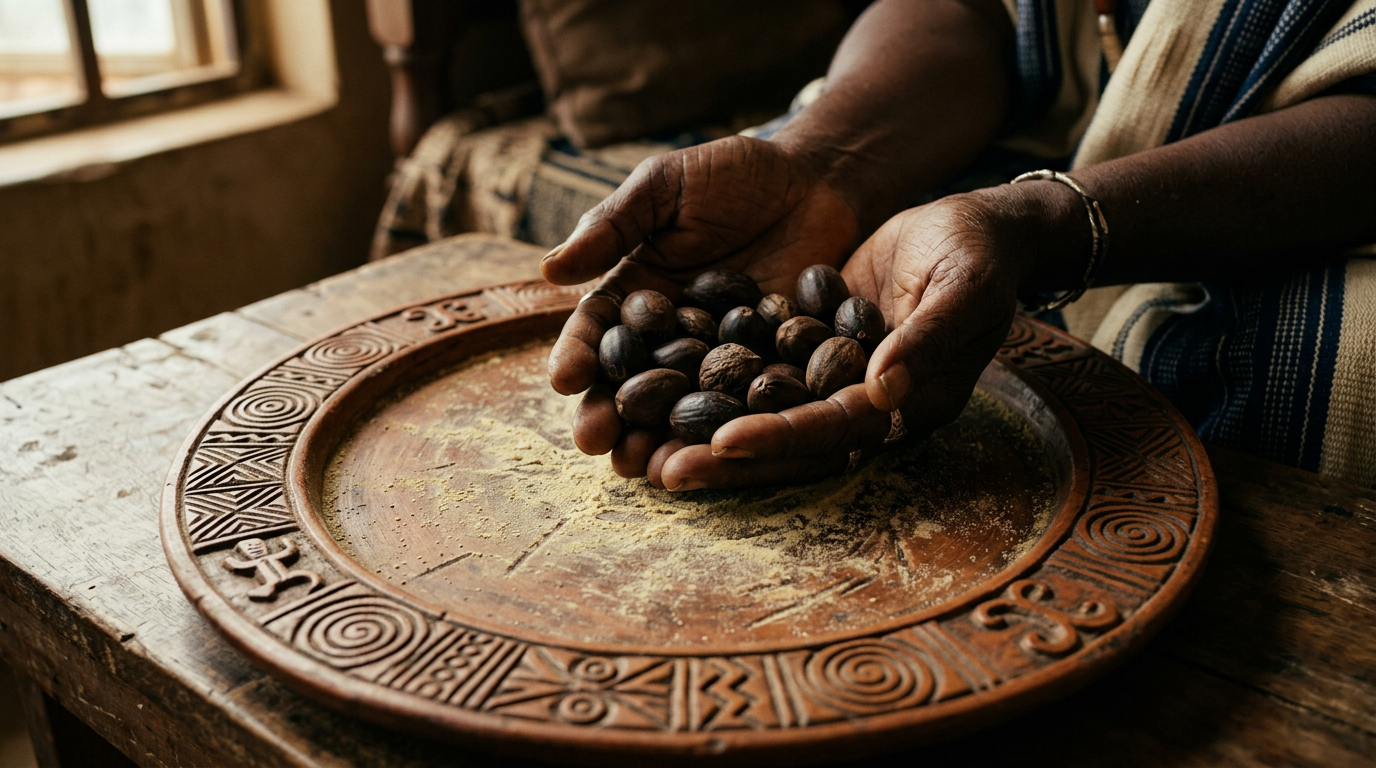
Formal religious specialists hold specific roles in Yoruba spiritual life. Babaláwo ("father of mysteries") are initiated male Ifá priests who divine with Ikin (sacred palm nuts) and transmit the Odù corpus. Ìyánífá are female Ifá initiates, though the extent of their ceremonial authority varies across lineages — some permit women to divine with Ikin, others draw distinctions in practice. Both roles require extensive training and initiation that can span years.
The priests are not gatekeepers in a bureaucratic sense. They are trained interpreters — people who have developed the skill and the relationship to read Aṣẹ on behalf of others. If you're wondering how to find a legitimate Ifá priest or community, that question itself is part of beginning this path responsibly.
The Òrìṣà and the Ifá Tradition
How Ifá Divination Connects Devotees to the Òrìṣà
Ifá divination is the primary formal mechanism through which devotees receive guidance from the Òrìṣà and from Ọ̀rúnmìlà specifically. When a Babaláwo consults Ifá on a person's behalf, the process identifies which Odù is speaking to that person's situation, which Ese is most relevant, and which Òrìṣà — if any — is calling for attention or offering. Divination doesn't bypass the devotee's own judgment; it informs it.
This is also how practitioners discover which Òrìṣà "owns their head" — which tutelary force is most aligned with their Orí and their life path. That discovery typically comes through formal divination, not self-assignment. And it changes how a person orients their practice: their offerings, their altar, their observances, and eventually their initiation path if they choose to go deeper.
Odù as a Map of Òrìṣà Wisdom
Each of the 256 Odù carries Ese that speak about specific Òrìṣà — their histories, their conflicts, their relationships with each other and with human beings. Taken together, the Odù function as something like a relational map of the entire cosmological system. You can learn the names of all 401 Òrìṣà from an encyclopedia. You learn who they are through the Odù.
This is why serious Yoruba spirituality almost always deepens into engagement with the Ifá corpus, and why understanding Odù Ifá is not optional for those who want genuine comprehension rather than surface familiarity. The Odù are, among other things, the Òrìṣà's own words about themselves.
The Òrìṣà in the Diaspora
Syncretism and Survival in the Americas
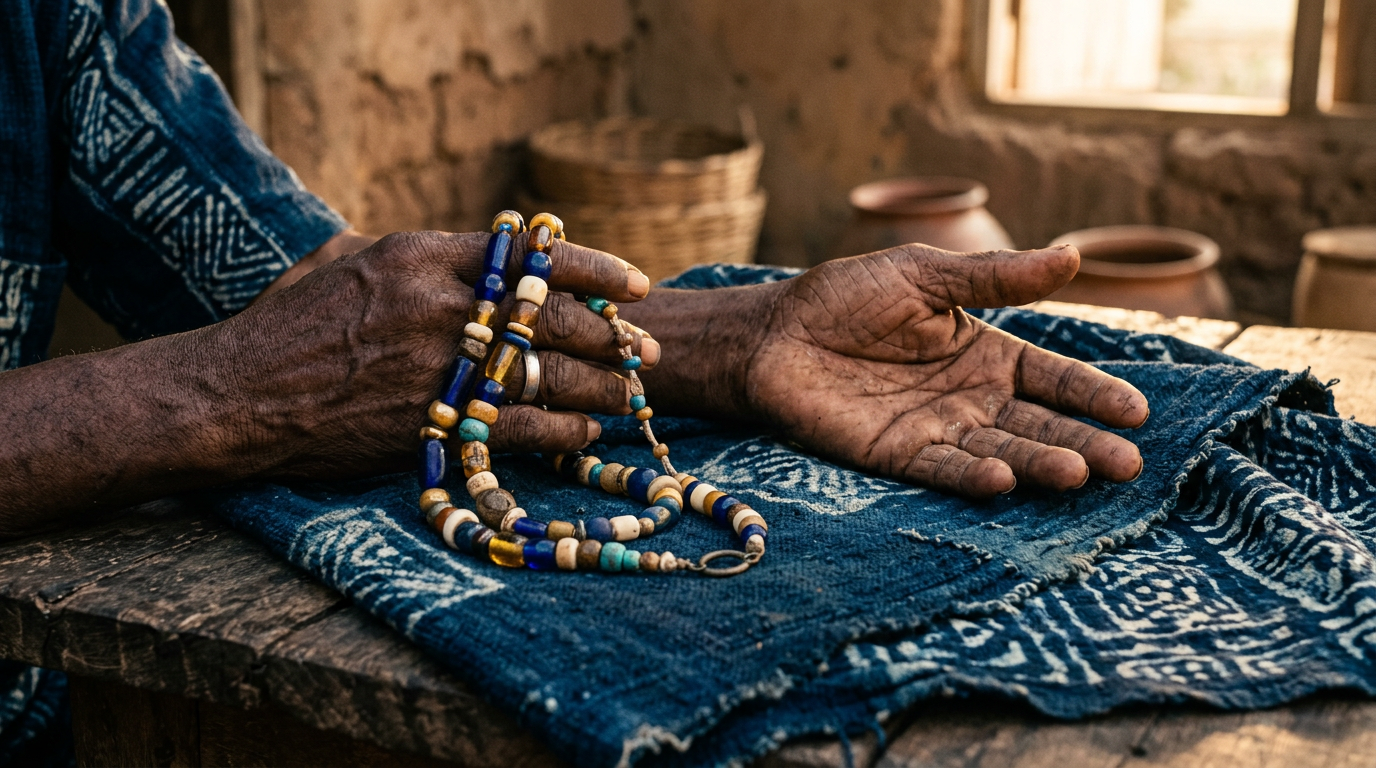
The transatlantic slave trade forcibly transplanted Yoruba-descended people — and their spiritual knowledge — to Cuba, Brazil, Haiti, Trinidad, and beyond. What survived did so through radical adaptation. In Cuba, Lucumí (commonly called Santería) developed a practice that mapped Òrìṣà onto Catholic saints: Ọbàtálá became Our Lady of Mercy; Ṣàngó became Santa Bárbara. In Brazil, Candomblé developed its own distinct liturgical language, initiated priesthood structures, and ceremonial forms. Both traditions preserve substantial elements of the Yoruba Òrìṣà framework while developing genuinely distinct expressions.
These are not corrupted versions of Yoruba religion. They are sibling traditions that emerged under conditions of extreme duress and managed to sustain a living spiritual inheritance across centuries and oceans. That they differ from Yoruba-origin practice is not a sign of failure; it's a sign of survival and creativity under conditions their ancestors didn't choose.
Reclaiming Yoruba Roots in Modern Practice
A contemporary movement — active in Nigeria, the United States, Brazil, Cuba, and the UK — seeks to reconnect diaspora practitioners with what some call Ìṣẹṣe, the original Yoruba practice before syncretism. This movement ranges from scholarly and respectful reclamation to, occasionally, dismissive purity politics. At its best, it enriches the global tradition. At its worst, it places hierarchical judgment on communities whose adaptations were acts of survival, not compromise.
The tension between adaptation and origin is real. Practitioners on all sides of it feel it deeply. What's worth holding onto is that Aṣẹ itself is not diminished by geography or generation. The Òrìṣà traveled. They are still traveling.
Beginning Your Relationship with the Òrìṣà
Approaching with Respect and Patience
The single most common mistake newcomers make is rushing. The desire to "belong" to an Òrìṣà immediately, to claim an identity or a patron before any real relationship has formed, usually reflects the seeker's own urgency more than any genuine spiritual direction. Slow down.
Start by learning. Read. Listen to practitioners who speak from within the tradition rather than about it from outside. Sit with what you encounter before deciding what it means for you. The Òrìṣà are not waiting impatiently for you to claim them. The tradition moves at the pace of genuine relationship — which is to say, the pace of real life.
Finding Authentic Guidance and Community
At some point, learning from books and articles runs out of road. The Yoruba tradition is an oral, initiated, community-held