Odù Ogbe Òfún: Teachings, Symbolism, and Spiritual Guidance
Few Odù carry the quiet force of Ogbe Òfún. Where other compound Odù might lean heavily toward warning or toward promise, this one holds both in deliberate tension — asking the person who receives it to examine whether their inner life and their outer actions are genuinely aligned. What follows is a close look at what Ogbe Òfún is, what it teaches, which spiritual forces move through it, how its stories transmit its wisdom, and how to carry that wisdom into daily life.
This spoke is part of our broader introduction to Yoruba religion and spirituality — which sets the wider context for the sixteen principal Odù and the wisdom Ogbè Òfún imparts.
What Is Odù Ogbe Òfún?
Odù Ogbe Òfún is a compound Odù, one of 240 derived Omò Odù that arise from the pairwise combination of Ifá's 16 principal signs. The Ifá divination system, inscribed by UNESCO on the Representative List of the Intangible Cultural Heritage of Humanity, is built on exactly this binary logic: 16 principal Ojú Odù, each with a unique signature of single and double marks, combine to produce 256 Odù in total. Ogbe Òfún is the pairing of Ogbe — the first and most senior principal Odù — with Ofun, the sixteenth and final principal. That pairing is not incidental; it places Ogbe Òfún at a point where the tradition's beginning and its ending meet.
This piece is one spoke in our broader guide to the 16 Principal Odù of Ifá — the sacred corpus this article is part of.
The Position of Ogbe Òfún Among the Odù Ifá
To understand Ogbe Òfún, it helps to understand its parent signs. Ogbe holds the first position among the Ojú Odù, and Ofun holds the sixteenth. Their combination therefore carries something of both poles — origin and culmination, expansion and completion. Within the introduction to the 256 Odù Ifá, this structural logic is mapped in detail, but the practical point is straightforward: Ogbe Òfún inherits qualities from both parents, and a reader cannot fully absorb its teachings without considering what each parent Odù contributes.
Exact positional rankings within the 240 minor Odù vary by lineage. Different Yoruba homeland houses, Cuban Lucumí lineages, and Brazilian Candomblé communities may sequence or weight the Omò Odù differently. Treat any single numbered ranking with care — the tradition's internal diversity is real, and claiming one fixed sequence risks misrepresenting it.
The Binary Signature of Ogbe Òfún
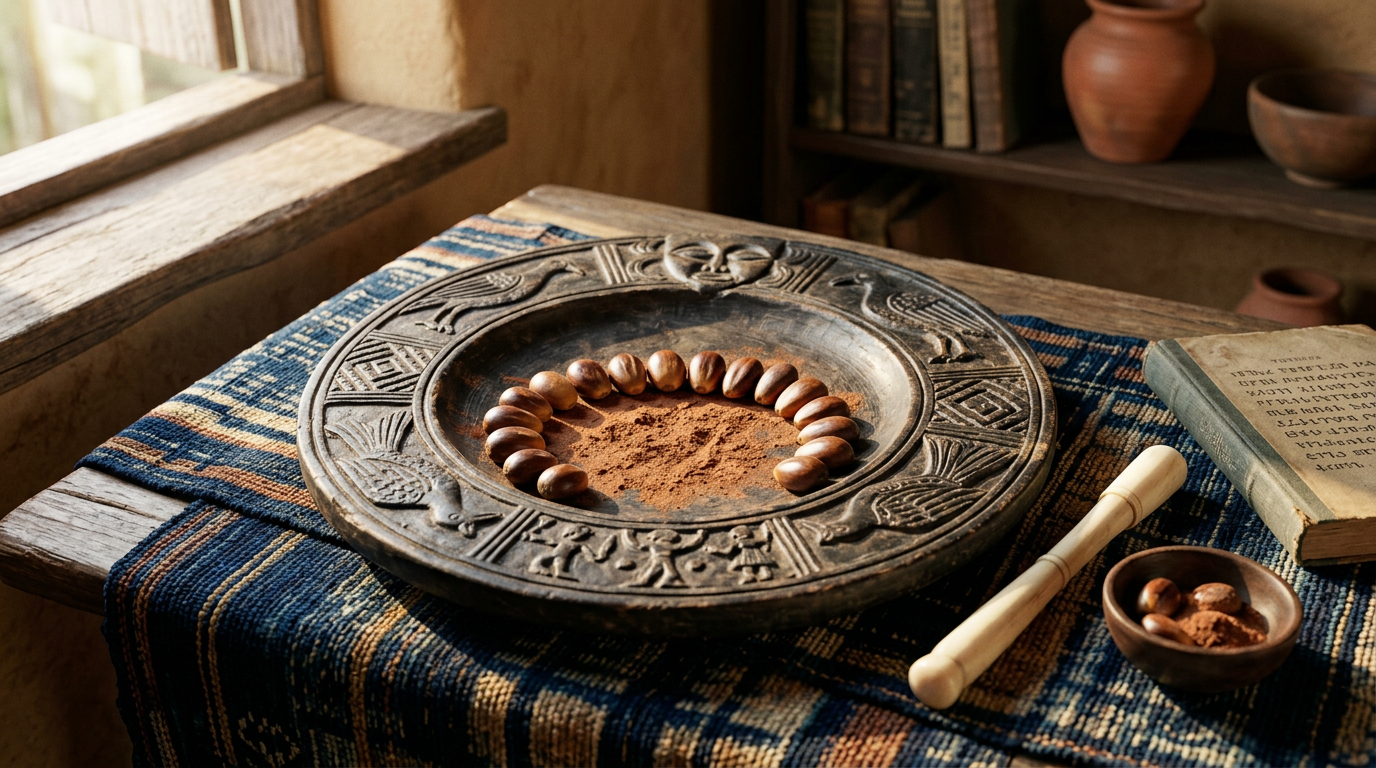
Ifá divination does not operate through spirit mediumship. A Babaláwo — a trained divination priest — casts palm nuts or a divining chain, reads the resulting binary pattern, and maps it onto one of the 256 Odù. Ogbe Òfún's binary signature reflects its two parent signs directly: the single-mark signature of Ogbe joined with the signature of Ofun, producing a combined pattern the Babaláwo recognizes immediately and matches to the relevant Ẹsẹ̀ verses. Each Odù can carry an estimated 800 ese (poetic verses); the full corpus is oral, vast, and ever-growing.
Core Teachings and Moral Lessons of Ogbe Òfún
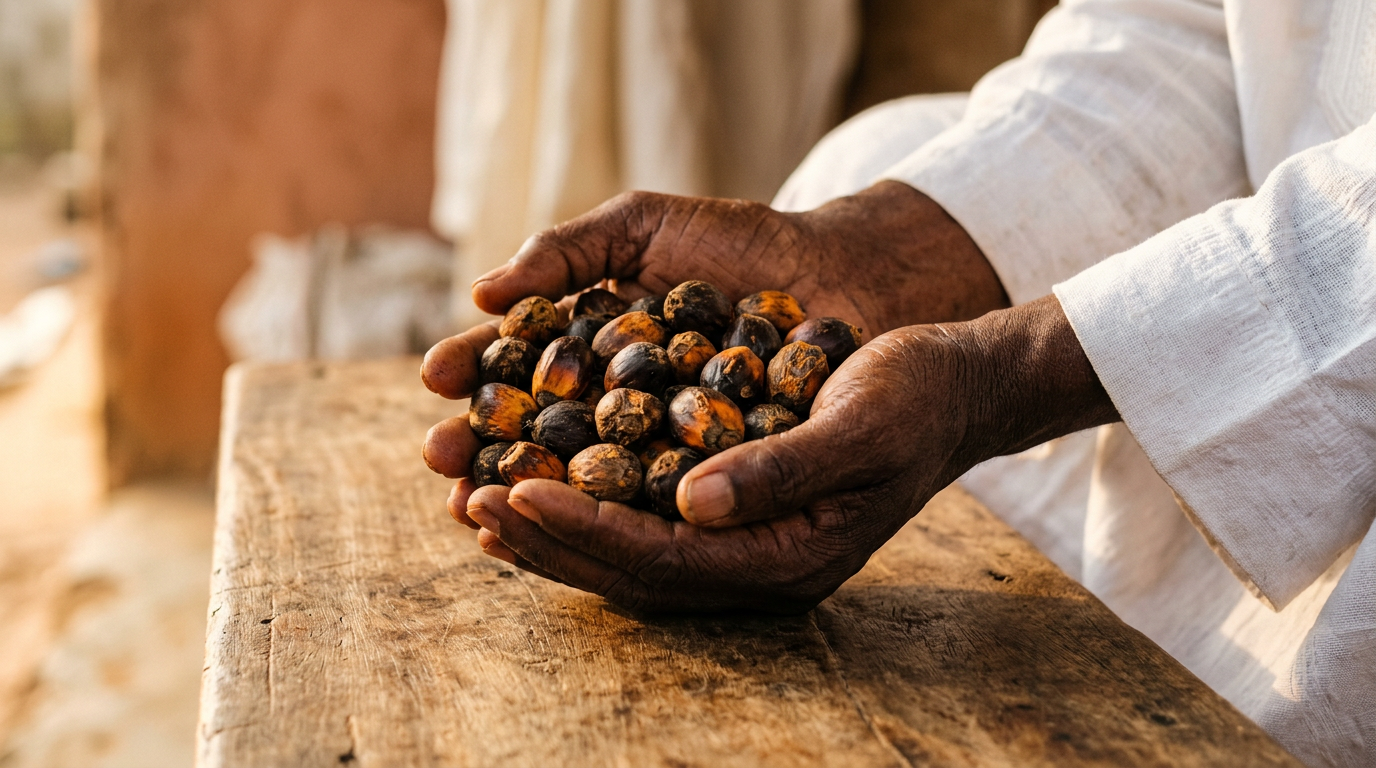
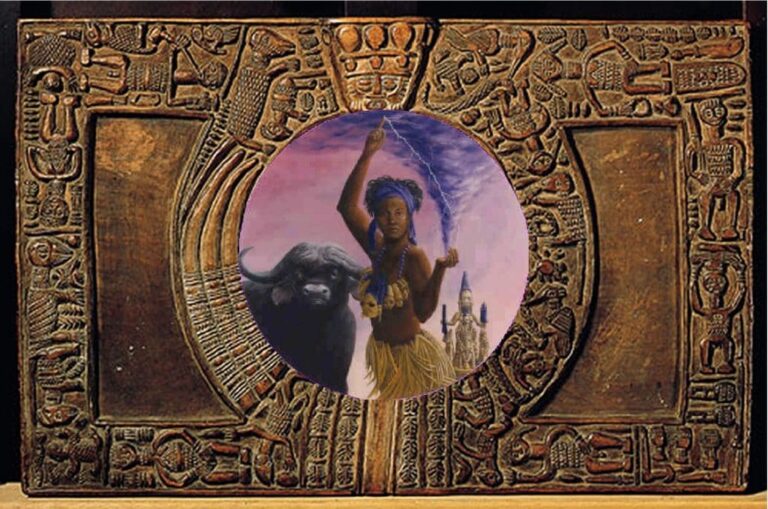
Ogbe Òfún's central teaching is this: blessings flow when intention and action are genuinely aligned, and they stall — or reverse — when they are not. Scholars widely describe Ogbe as representing "pure light" and an open road, while Ofun is understood as "the Giver" or "the Spirit of White," the force through which prayers become tangible results. When these two energies combine, Ogbe Òfún becomes an Odù about what happens at the point where right intention meets physical manifestation.
Themes of Integrity and Truthfulness
Integrity is not decorative in Ogbe Òfún — it is structural. The Odù is commonly interpreted to indicate that a person is in alignment with their destiny and receiving blessings as a result of sustained spiritual discipline and prayer. That framing carries an implicit demand: the alignment must be genuine. Where there is deception — of others or of oneself — the Odù's promised blessings cannot fully land, because the channel between intention and manifestation is blocked at its source.
Truthfulness, in this Odù's framework, is less a social virtue than a metaphysical requirement. Ofun's energy is the force that fulfills prayers as miracles; if the prayers themselves are rooted in dishonesty or ego rather than authentic need and gratitude, the fulfillment will be misdirected. Ogbe Òfún asks practitioners to check their own foundations before expecting outcomes.
Warnings Against Arrogance and Self-Deception
Commonly cited accounts describe the shadow side of Ofun's energy: when manifestation is invoked contrary to harmony and balance, it undermines rather than supports spiritual growth. This is why Ogbe Òfún carries explicit warnings against arrogance. A person who receives blessings may begin to attribute those blessings to personal merit alone, losing sight of the spiritual discipline — the ebo, the prayers, the relationships with Òrìṣà — that opened the path. That shift toward self-congratulation is precisely what Ogbe Òfún cautions against.
Self-deception is a quieter danger than outright arrogance, but the Odù addresses it directly. Believing oneself to be in alignment when one is not — telling a story of virtue that the actual conduct doesn't support — activates Ofun's negative aspect. The warning is not punitive; it is practical. The Odù is describing how these energies behave, not threatening retribution.
Ogbe Òfún and the Òrìṣà

The Òrìṣà most prominently associated with Ogbe Òfún is Orisanla, also known as Obatala. This connection is not incidental — it runs through one of the Odù's best-known Ese Ifá verses, and it shapes the devotional character of Ogbe Òfún significantly. Understanding the role of Òrìṣà in Ifá practice helps illuminate why specific Odù carry associations with specific divine forces.
Connections to Specific Òrìṣà
Obatala is the Òrìṣà of purity, patience, and moral uprightness — qualities that map directly onto Ogbe Òfún's ethical emphasis. Widely cited accounts describe Ogbe as pure light and Ofun as the Spirit of White; Obatala's domain is also fundamentally white and luminous, associated with clarity, creativity, and the shaping of human form. The resonance between this Odù and this Òrìṣà is thematic as much as mythological.
Because Ofun governs manifestation and fulfillment, and because Obatala governs the purity of intent behind what is created, Ogbe Òfún stands as an Odù concerned with how what we bring into being reflects who we actually are. The connection to Obatala reinforces the core teaching: creation must be grounded in moral clarity.
Ritual Observances Associated with This Odù
The Ese Ifá verse linking Ogbe Òfún to Obatala prescribes ebo — sacrifice or ritual offering — as the mechanism through which blessings are activated. Obatala receives ebo and, upon completing the offering, receives all the blessings he sought. Ebo in this context is not transactional payment; it is an act of surrender, of putting one's alignment into physical form. The offering demonstrates that the practitioner's intent is genuine.
Specific ebo ingredients and prescriptions vary substantially between Yoruba homeland lineages, Cuban Lucumí practice, and Brazilian Candomblé. These are lineage-specific details, and no single formulation should be presented as universal. What remains consistent across traditions is the structural principle: Ogbe Òfún's blessings are activated through ritual action, not merely through intention held privately.
Ese Ifá and Stories Within Ogbe Òfún

The Ese Ifá are the poetic verses that carry Ifá's wisdom from generation to generation. Each verse is a story — or a fragment of a story — that carries moral instruction embedded in narrative. Ogbe Òfún, like all Odù, is understood primarily through these verses, not through abstract doctrinal statements.
Key Narratives and Their Symbolism
The verse in which Ogbe the stranger casts Ifá for Orisanla is among the most widely cited within Ogbe Òfún. In it, Obatala comes seeking blessings; the diviner (named Ogbe, embodying the Odù itself) discerns his situation and prescribes ebo. Obatala complies — and receives everything he needed. The structure is simple, but the symbolism is precise.
The Odù is not just describing a past event; it is laying out a pattern. When Ogbe Òfún appears in divination, the verse becomes a mirror: you are in the position Obatala was in. You have come seeking. The question the verse asks back is whether you will do what Obatala did — submit to the prescription, complete the offering, relinquish control of the outcome.
How Ese Ifá Transmit the Wisdom of Ogbe Òfún
Unlike written scripture, the Ifá corpus is preserved inside the memory and voice of initiated priests. A trained Babaláwo memorizes the Odù and their Ẹsẹ̀ because he himself functions as the living library — the verses exist, fully, inside a human being, not on a page. This oral-library model means that no two encounters with Ogbe Òfún are identical: the specific verse chanted in a particular reading, the way it is interpreted for a specific person's circumstances, the ritual prescription that follows — all of this emerges from a living relationship between priest, client, and corpus.
This is why studying Ogbe Òfún from books alone has real limits. The text can orient you, but the wisdom lives in a community of practice.
Applying the Guidance of Ogbe Òfún in Daily Life
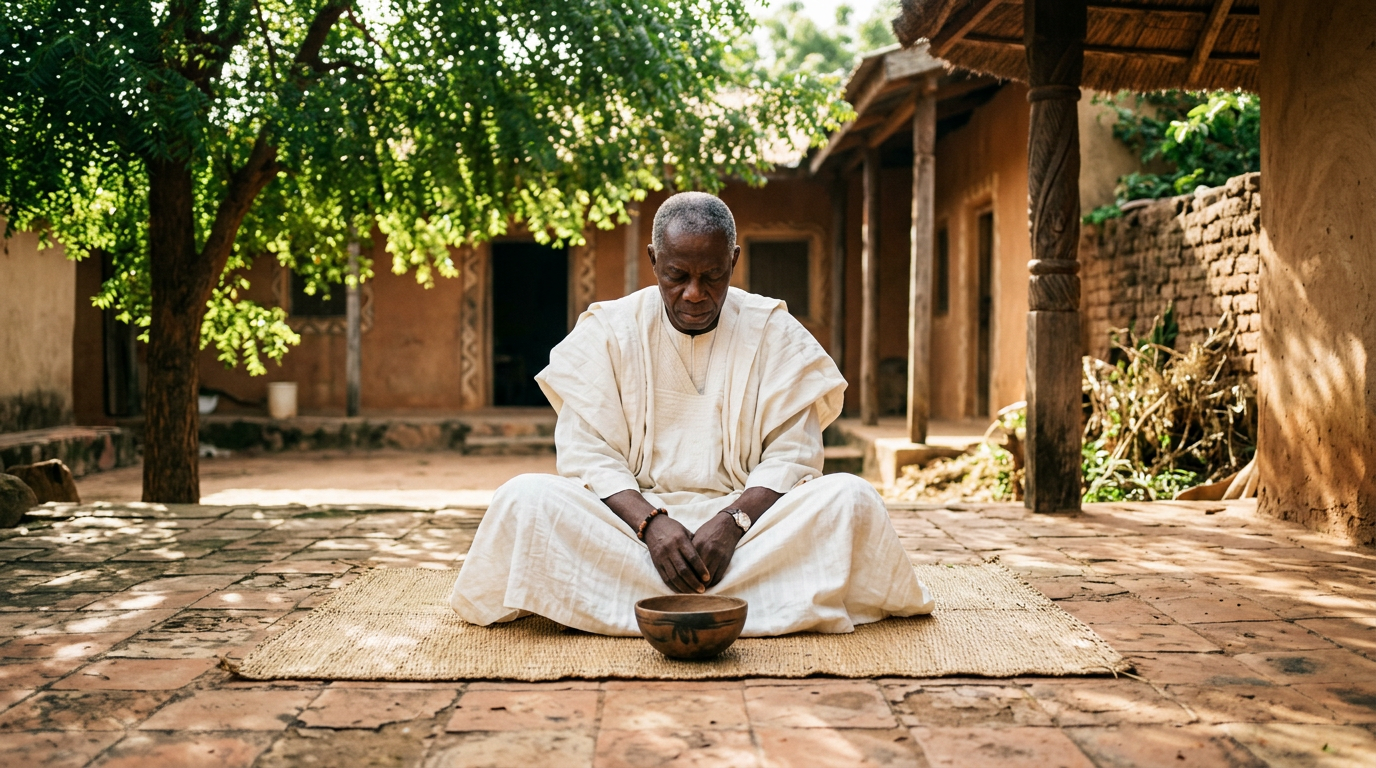
Ogbe Òfún's guidance is not esoteric in its application. The Odù's core question — are your intentions and your actions genuinely aligned? — is one that can be brought to any ordinary decision. It doesn't require a formal divination session to function as a spiritual lens.
Practical Counsel for Personal Conduct
Three practical orientations emerge from this Odù's teachings. First, honesty with oneself before honesty with others: Ogbe Òfún is less concerned with social performance of virtue than with the actual state of one's inner alignment. Second, gratitude as maintenance: the Odù describes blessings flowing from sustained spiritual discipline, which implies that when blessings arrive, the practice must continue — not be abandoned now that results have appeared. Third, humility about outcomes. Ofun's energy brings manifestation, but the Odù's warnings make clear that claiming personal credit for what the Òrìṣà and one's own ebo helped produce is exactly the kind of arrogance that blocks future flow.
Recognizing Ogbe Òfún's Influence in Divination
When Ogbe Òfún appears on the Opon Ifá (the divination tray), it commonly signals that the person is in — or approaching — a period of genuine alignment and incoming blessings. The Babaláwo's work is then to identify whether that alignment is complete, what ebo is indicated to seal and activate it, and whether any internal dishonesty or arrogance is at risk of undermining what is being offered.
For the person receiving the reading, recognizing Ogbe Òfún means taking seriously both its promise and its warning. The Odù does not say "you will receive blessings no matter what." It says "the conditions for blessings are present — now do your part."
Deepening Your Study of Ogbe Òfún
No single article carries the full teaching of any Odù. Ogbe Òfún's wisdom lives inside hundreds of Ese Ifá verses, each one a window onto the Odù's character from a different angle. The most direct path deeper is a living teacher — a Babaláwo or senior practitioner within a recognized Yoruba homeland lineage who can chant the verses, explain their hermeneutic context, and help you understand how the Odù applies to your own situation and ori.
For those building foundational knowledge, beginning with the parent Odù is worthwhile. Ogbe Méjì teachings and meaning illuminate the first and most senior Ojú Odù, from which Ogbe Òfún inherits its quality of pure light and open road. Reading those teachings alongside Ogbe Òfún helps clarify what the compound Odù inherits and what it adds. Similarly, understanding the general structure through how to study Ifá as a beginner provides the framework for situating any Odù within the larger system.
Ogbe Òfún asks something specific of those who encounter it: not passive reception, but active alignment. Study it not to accumulate information about it, but to examine honestly whether the life you are building matches the intentions you are declaring. That examination is exactly what the Odù is designed to support.