
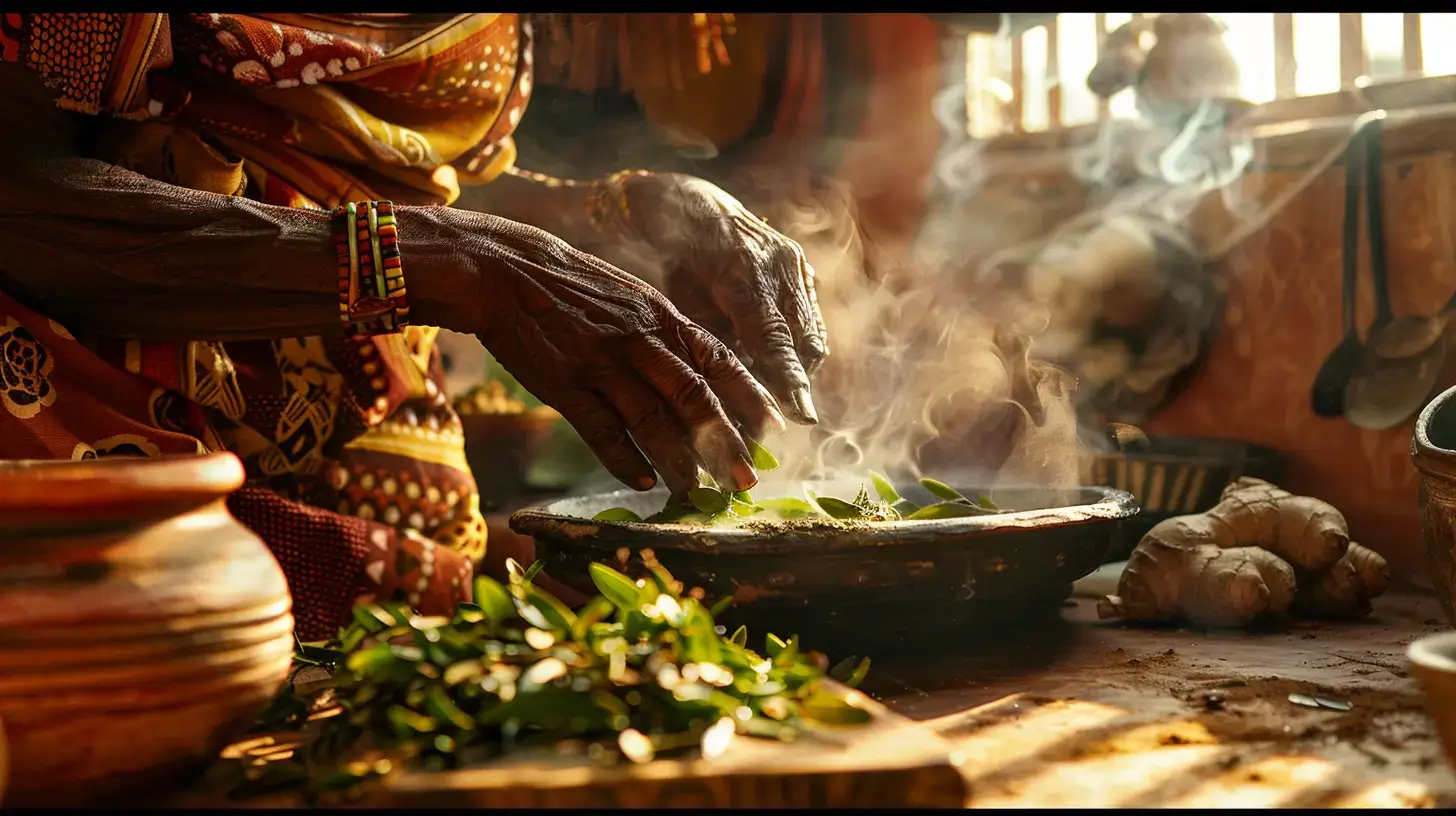
Did you know that over 70% of people in Nigeria rely on traditional medicine for their healthcare needs? It’s quite fascinating! Yoruba herbal remedies offer time-tested solutions for common ailments, blending ancient wisdom with modern wellness. Growing up, I often heard about the healing properties of herbs from my grandparents, and I can still remember the aroma of fresh herbs in the kitchen as they brewed remedies. This article will introduce you to some amazing Yoruba herbal remedies for common ailments that have worked wonders not just for my family but for many others.
Understanding Yoruba Herbal Medicine
There’s something really special about how herbal remedies fit into the Yoruba culture. They have been part of the healing practices for generations. You see, Yoruba traditional medicine is not just about the herbs; it’s a deep-rooted practice that connects health, culture, and spirituality. When I was a kid, my grandma would always tell me that the plants have spirits, and if you treat them well, they will help you heal.
Traditional Yoruba medicine is based on principles that see health in a holistic manner. That means, it looks at the person as a whole, not just the symptom. Herbal medicine works through the active components found in plants. For instance, many Yoruba herbs have been shown to improve bodily functions, fight infections, and even provide natural pain relief. It’s all about balance—of the body and the spirit.
The spiritual aspect is also pretty unique. Many people believe that using these remedies connects them to their ancestors and their heritage. For instance, an illness could sometimes be seen as a spiritual imbalance or wrongdoing. So, along with taking the herbs, rituals or prayers are often part of the healing process. It’s this blend of spirituality, tradition, and herbal knowledge that makes Yoruba herbal medicine so profound.
Common Ailments Treated by Yoruba Herbs
In Yoruba communities, we have our fair share of common ailments! From colds to chronic diseases, herbal remedies have been a staple in managing these health issues. When people around me catch colds or flus, they often turn to local herbal concoctions instead of (or alongside) over-the-counter medications. Herbs like eucalyptus and lemon grass are popular for treating respiratory issues; the warmth of the tea feels so comforting and soothing
Let’s talk about some common health problems where these herbal remedies shine. Take fever, for instance. A lot of herbal drinks can help reduce fevers. Traditionally, we used to boil leaves from plants like guava or papaya along with honey, and it was a family favorite.
Then there’s the ongoing battle against chronic diseases like diabetes and hypertension. In many cases, herbs such as bitter leaf and garlic have been used for years. Bitter leaf, known locally as “ewuro,” is packed with health benefits and is commonly consumed in soups or as a tea. These remedies can work wonders! Luckily, a lot of people have started to recognize their place in health management alongside conventional treatments.
Key Yoruba Herbs and Their Uses
Let’s dig into some of the heroes of the herbal world in Yoruba culture! First up is Bitter Leaf (Vernonia amygdalina). It’s pretty intense in taste but known to help with everything from digestive issues to blood sugar control. I remember my aunt swearing by it for her high blood pressure. You can prepare it by boiling the leaves in water and drinking the extract, or you can toss it into your favorite soup.
Next, we have Garlic (Allium sativum)—not just for your pasta! Garlic is a powerhouse of health benefits. People use it to boost immunity and even improve heart health. Honestly, I always feel better after eating garlic; it’s like the body knows it’s doing something good. You can eat it raw, add it to dishes, or even make a garlic-infused oil to ease muscle pain.
And how can we forget about Ginger (Zingiber officinale)? You know that warm, spicy, comforting feeling when you drink ginger tea? It can work wonders for digestion, motion sickness, and even nausea. You can prepare ginger tea by boiling fresh ginger slices in water. Trust me, your tummy will thank you.
Local healers play a crucial role too. They have years of knowledge passed down through generations and often mix these herbs in unique ways, giving us remedies that we might never think of! It’s a brilliant community effort and adds more depth to traditional healing.

Modern Science Meets Traditional Remedies
Now, let’s get real and talk about how modern science fits into all of this. It’s exciting to see a growing body of research that backs up many of the benefits of Yoruba herbal remedies. Studies have shown how components in herbs like bitter leaf and ginger really do have medicinal properties. I mean, it’s so satisfying to know that my grandma’s remedies aren’t just folklore!
There’s a rising acceptance of traditional medicine today too. People are starting to recognize that blending herbal remedies with conventional medicine can create a more comprehensive treatment plan. It’s almost like a symphony when you think about it—each play a part in the healing process.
For instance, a friend of mine was struggling with chronic headaches. She began integrating ginger into her diet while still taking her prescribed medications. Not only did it provide relief, but it also improved her overall wellness! That’s what I mean when I say that these remedies are becoming integral in modern health solutions.
So, as folks see these benefits being validated, especially within younger generations, there’s a real push to embrace and document herbal practices. New avenues of research are opening up that could lead to exciting collaborative practices in the future.
Safety Precautions and Misconceptions
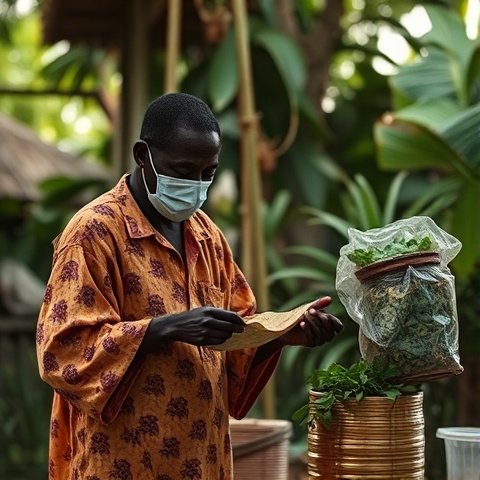
Now, let’s clear up a few things about herbal remedies because misconceptions can lead to trouble. One of the most common is that just because something is natural, it’s automatically safe. I wish it were that simple! There are certain herbs which can interfere with medications or cause allergies. Always check first!
Safety is key when playing with herbal concoctions! Make absolutely sure you’re using plants you know are safe and clean. My cousin learned this the hard way by assuming all plants were safe; she had a nasty reaction to an unknown herb. It was a wake-up call for her, and I’m glad it didn’t go worse!
When using any herbal remedies, it’s important to remember they’re not a substitute for professional medical advice. If something doesn’t feel right or you’re dealing with a chronic condition, seeing a doctor is always the best bet. Integrating both traditional and modern medicine brings about the best outcomes.
A Step-by-Step Guide to Making Your Herbal Remedies
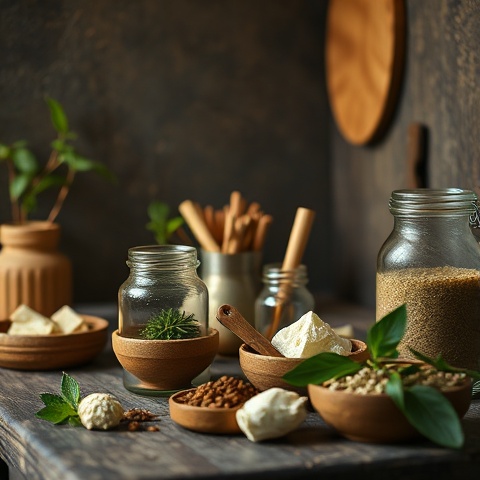
Alright, let’s get to the fun part—making some herbal remedies right in your kitchen! First things first: gather your essential tools. You’ll need basic kitchen supplies like a pot, strainer, and a good knife for chopping. As for ingredients, always have some fresh herbs on hand!
One of my go-to recipes is ginger tea. Here’s how you do it:
1. Start with fresh ginger root. Peel it and slice it thin—go for about an inch of ginger.
2. Boil about two cups of water in a pot. Once it’s boiling, toss in the ginger slices.
3. Let it simmer for about 10-15 minutes. The longer you simmer, the stronger the flavor!
4. Strain the tea into a cup, and here’s the fun part: add a bit of honey or lemon for taste.
Bingo! You’ve got yourself a soothing drink. Now, for storage—try to use dark glass jars for any excess herbal mixes. Keep them in a cool, dry place to maintain their potency.
Pro Tip
When making your remedies, always take notes! I’ve learned the hard way that if I don’t record how I prepared something or what worked, I can’t remember it later. It’s like a journey of herbal discovery!

The Future of Yoruba Herbal Remedies in Healthcare
What’s exciting is that the future is bright for Yoruba herbal remedies! There’s a shift happening where people are opening up more to integrating traditional medicine into health practices. Young people, especially, are recognizing the importance of cultural heritage in health.
Technology is also playing a part as researchers are using modern methods to study these time-honored remedies. As research expands, we can expect even more documentation of traditional practices. This could lead to innovative solutions for healthcare that blends both worlds seamlessly.
Plus, grassroots movements are popping up where communities are actively promoting natural healing. They’re preserving their culture while adapting to modern health needs. It warms my heart to see younger folks getting involved, keeping the stories and wisdom alive while adding their touch.
As we look ahead, I hope we see more collaboration between traditional and modern medicine, leading to more comprehensive health solutions that span cultures and generations.
Conclusion
So, there you have it! Yoruba herbal remedies are more than just plants; they carry a wealth of culture, wisdom, and natural healing properties. By understanding and using these remedies wisely, we can foster a healthier, more holistic approach to health and wellness. Whether it’s a simple brew of ginger tea or a more intricate concoction, it’s worth exploring these resources and incorporating Yoruba herbal practices into your routine.
Let me know in the comments if you’ve tried any herbal remedies or if you have any personal stories to share. We all learn from each other, and who knows? Your experience might inspire someone else!