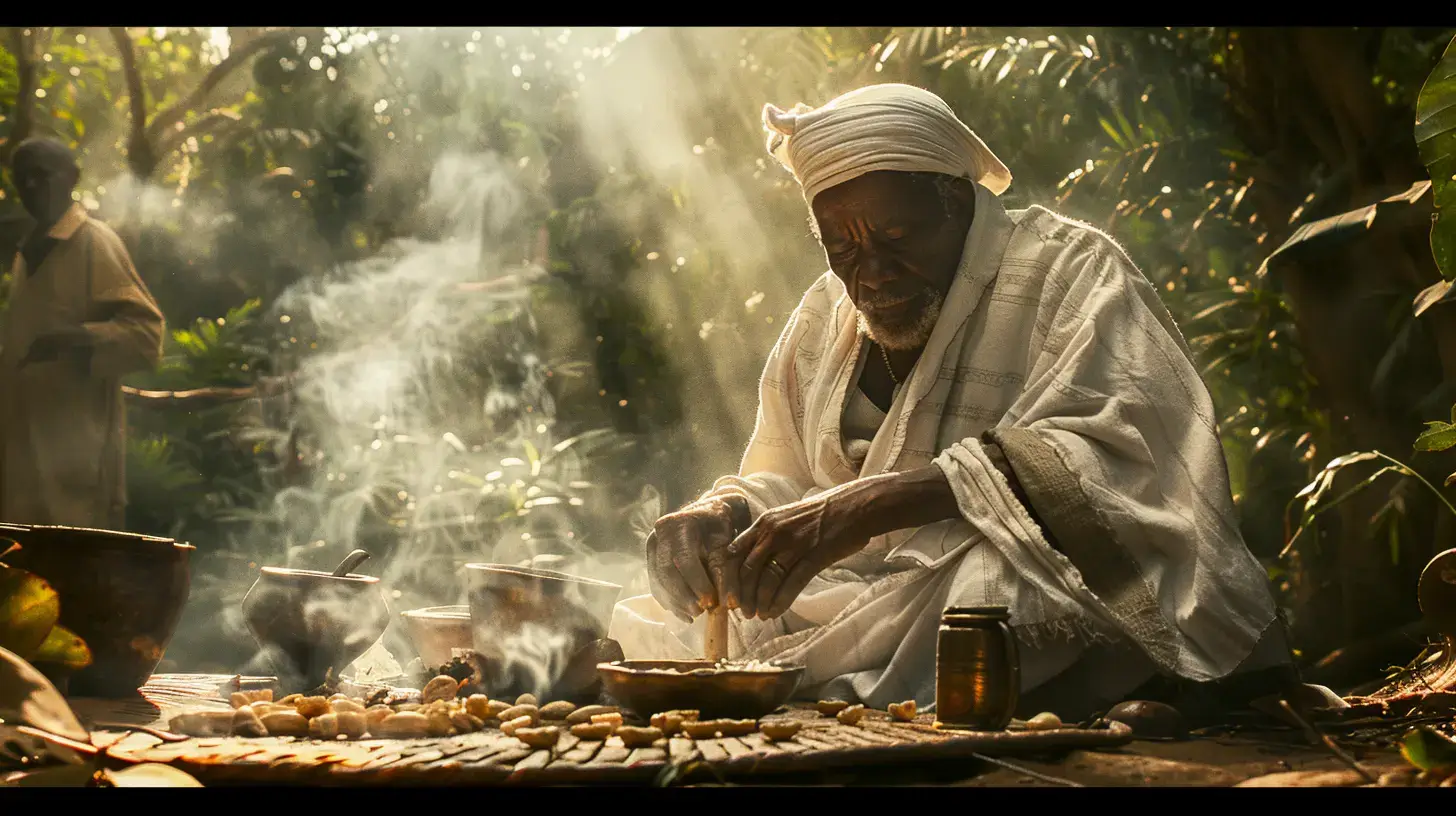
Yoruba healing practices offer a rich tapestry of ancient wisdom that continues to resonate in today’s health and wellness landscape. Did you know that over 60 million people globally identify as practitioners of these traditional healing methods? It’s pretty astounding! From my experiences learning about these practices, I’ve found a depth to them that often surprises people. They’re not just about treating illness, but also tie deeply into community, spirituality, and culture.
In this post, we will delve into these time-honored practices, exploring their cultural foundations and uncovering how they can provide alternative paths to wellness in contemporary settings. Stick around, because we’re gonna have some fun learning together!

Yoruba healing practices
The Roots of Yoruba Healing: An Overview
So, let’s get started with where Yoruba healing even comes from. The Yoruba people, mainly found in Nigeria, have a rich history that goes back thousands of years. This culture is filled with traditions, art, music, and, of course, healing practices. They have some really interesting ideas about health and wellness that incorporate both physical and spiritual aspects.
One key historical figure in Yoruba healing is the Olorisa, or the priest, who plays a vital role in mediating between the physical and spiritual worlds. Can you imagine being part of a community where spiritual leaders used their knowledge to help people heal? It highlights the deep connection between spirituality and wellness, which is quite different from how we often think about medicine today.
Healing in Yoruba culture isn’t just about fixing what’s wrong with the body; it touches on the spirit and the community. Spirituality plays a huge role in their approach to health! For instance, it’s believed that illnesses can stem from spiritual disturbances or imbalances. So a healer isn’t just prescribing medicines but is also trying to restore harmony to the person’s entire life.
With all this rich history, Yoruba healing has influenced a lot of other cultures and healing practices, especially in areas with large African populations. You might even notice these influences in various forms of alternative medicine today. It’s really cool to connect these pieces!

Elements of Yoruba Healing Practices
Core Elements of Yoruba Healing Practices
Now that we have a little background, let’s break down some core elements of Yoruba healing practices. First up, herbal remedies! The Yoruba people utilize a wide variety of plants and herbs for healing. It reminds me of my grandma’s medicine cabinet, always stocked with various home remedies.
The application of these herbal remedies can be fascinating. Certain herbs are believed to address specific ailments. For example, bitter leaf is used for its supposed properties to help with digestive issues. I remember an old neighbor swearing by it after she made some kind of tea from the leaves!
Couple that with rituals and ceremonies, and you’ve got a system that is both structured and spiritual. In Yoruba culture, the act of healing often involves rituals—like cleansing ceremonies—that help to facilitate healing. It’s like how we might go to a spa to relax, but there’s an entire spiritual layer that goes with these rituals.
Then, there’s the role of divination. This is where it gets really intriguing! Divination is used not just for future predictions but also in diagnosing ailments. Methods like Ifá divination help a healer gather information about a person’s condition and guide treatment decisions accordingly. Imagine a healer consulting spiritual forces to understand what’s really going on with someone. It can feel a bit mystical!
Interestingly, this interconnectedness of herbs, rituals, and divination practices can lead to richer healing experiences that may not be available through conventional medicine alone. I’ve often seen how mixing these approaches gives people a wider range of tools for their health.

The Intersection
The Intersection of Yoruba Healing and Modern Medicine
Now let’s chat about how Yoruba healing blends (or sometimes clashes) with modern medicine. This is a big topic and one that’s super relevant today as more people look for holistic approaches to health.
Comparing Yoruba practices with Western medicine can be a real eye-opener. While Western medicine often focuses on symptoms and immediate solutions—like going to the doctor for a pills—Yoruba healing practices might look at a person’s lifestyle, relationships, and spiritual state to understand underlying issues.
I once worked with a doctor who integrated some traditional healing methods into her practice, which sparked a lot of discussions! There were patients who found relief not just through medications but also through understanding their emotional and spiritual selves. It’s like getting two sets of wisdom in one treatment plan!
There are case studies where combining these approaches has worked wonders. I read about one community in Nigeria where health workers used herbal remedies alongside Western treatments for extremely positive results in managing chronic illnesses. It’s super encouraging to see how these traditional practices can harmonize with modern medicine in practical settings.
Of course, there can be challenges. Misinformation and fear of “the other” can make collaboration tough. Always do your research and talk to professionals who understand both areas before diving into treatments. It’s like navigating a treasure chest—you have to sift through things to find what’s really valuable for you!
Rituals and Traditions
Rituals and Traditions: The Heart of Yoruba Healing
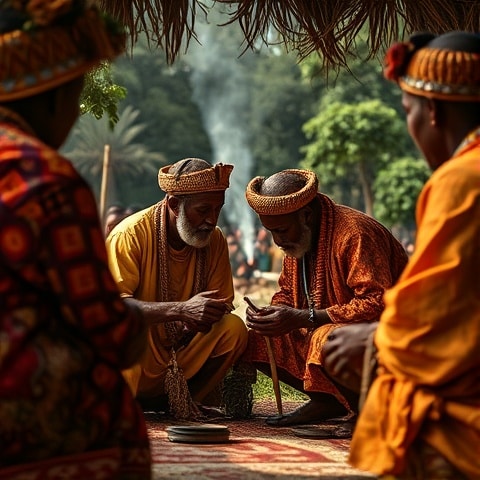
Let’s switch gears to rituals and traditions—these are the heartbeats of Yoruba healing! Rituals hold significant meanings, from celebrating life cycles to addressing health issues. They can be quite elaborate, showcasing the rich culture as well as serving a purpose.
A key ritual is the cleansing ceremony, designed to restore balance when someone’s health is affected. During these events, offerings are made, prayers are said, and community members participate, emphasizing the collective responsibility for each other’s health. I remember feeling a profound sense of connection during a similar community event—if one person is well, the whole community thrives!
Festivals play crucial roles too! Like the Osun-Osogbo festival, which celebrates fertility, health, and the river goddess Osun. It’s a wonderful time when practitioners engage in healing ceremonies, calling on the spirits for protection and wellness. Such celebrations remind the community about the importance of health and well-being in a fun yet spiritual way.
Individuals often share personal stories of healing experiences connected to these rituals, creating solidarity and shared understanding. It’s almost like having a family stories night—where everyone shares their experiences and learns from each other. Making space for healing narratives strengthens community ties and helps individuals feel less alone in their struggles.

Natural Remedies
Herbs and Natural Remedies in Yoruba Healing
When you hear about herbal remedies, your mind might jump to that thing your great aunt rubbed on her knees for that pain. Well, Yoruba healing has its own treasure trove of herbs! Let’s take a closer look at these remarkable plants.
Some of the most commonly used herbs include ginger, garlic, and neem. Each of these have fascinating properties! For instance, neem is revered for its antimicrobial effects and is often used to treat skin conditions. I remember trying neem oil in a DIY skincare routine—it was a bit of a gamble but totally worth the risk!
Preparation methods vary, from teas to ointments, all aimed at ensuring the plants’ beneficial qualities shine through. Often, the rituals around preparation add to the plants’ potency, connecting the physical aspects of healing with spiritual belief. Mix in a good dose of care and intention when preparing these remedies, and you’re not just brewing a tea; you’re creating a healing experience!
And speaking of science, research is slowly catching up with these ancient practices. Studies have shown how some of these herbal remedies used in Yoruba healing contain compounds that promote health. It’s fascinating to see old knowledge getting its due. When I stumbled upon these studies, I thought of how much ancient wisdom has been overlooked in favor of new-age practices.
Divination
Divination Techniques in Yoruba Healing
Now let’s dive into one of the most mystical elements of Yoruba healing—divination! This art is central to understanding how healers diagnose issues and deliver solutions.
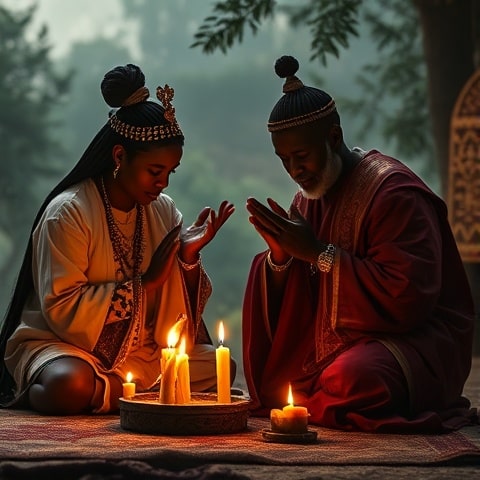
Ifá is one of the most well-known divination systems and involves the use of cowrie shells to interpret messages from the divine. It might sound like magic to some! I’ll be honest; it can be a bit daunting to think about getting your fate read with cowrie shells, but there’s a whole world of wisdom behind it.
These readings guide the healer in determining the best course of action for someone, whether that means a specific herbal remedy or a more intricate ritual. It’s like having a spiritual GPS! Practitioners are often highly respected in their communities, almost like spiritual guides.
Speaking of practitioners, the roles of diviners in communities are fascinating. They tend to be highly knowledgeable and have a reputation for being in tune with the spiritual and physical realms. When dealing with spiritual issues, it’s almost like consulting with a close friend who just gets you. That aspect really appealed to me when I heard personal stories from those who visited diviners for health advice or even for life guidance.
If you ever get a chance to learn about these techniques, it’s worthwhile. These divination practices show a rich tapestry of culture, spirituality, and health combined, something that many modern practices could learn from.

Adapting To Modern Life
Adapting Yoruba Healing Practices for Modern Life
Let’s chat about how we can bring some of these Yoruba health principles into our everyday lives. We all want to live healthily, right? Incorporating these practices doesn’t mean we have to abandon modern medicine. It’s really about blending the two for a holistic approach.
One practical tip is to infuse mindfulness into your daily routine, just like Yoruba traditions emphasize connection to spirituality. Take a moment each day to reflect or meditate on your well-being, maybe even play some calming music! It really helps reset your mind and body. You might not be performing a full-on ritual, but creating those moments of connection is super beneficial.
Worried about your herbal knowledge? Start simple! Maybe try brewing a cup of ginger tea or making a garlic-infused oil for cooking. Gradually, you can learn more about other herbs and their properties. It’s fun to discover!
You could even find local workshops or practitioners who teach about these healing practices. Engaging with the community can be enlightening and gives you an opportunity to experience the traditions firsthand. Trust me, sometimes being around people who share similar interests leads to unexpected friendships!
There are also many resources online maybe accessible articles or videos to guide you through Yoruba healing practices from authentic sources. Remember, take it at your own pace! Learning about a new culture and its healing wisdom is an exciting journey.
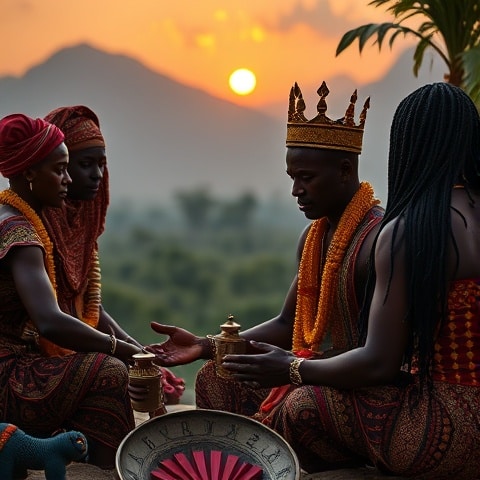
Influence of Yoruba Healing Practices
The Global Influence of Yoruba Healing Practices
Lastly, let’s look at how Yoruba healing practices impact the world! You’ll be surprised at the reach these traditions have, especially within the diaspora communities. Many African Americans and Caribbean populations have integrated these customs into their health practices, blending old traditions with contemporary issues.
Case studies often highlight various communities where Yoruba methods have been revitalized, proving their effectiveness in addressing both mental and physical health. It’s like a revival! I read about a program in the Caribbean that combines traditional Yoruba healing practices with Western medicine to address health disparities in the community, and it was truly inspiring.
The influence doesn’t stop there. Yoruba healing traditions have significantly impacted holistic health movements globally. People are seeking out holistic treatments now more than ever, wearing the badge of spirituality and health with pride! That’s such an uplifting trend!
As globalization continues to connect us, Yoruba healing practices will undoubtedly keep making waves. We could all learn something from these ancient wisdoms that prioritize community, spirituality, and the holistic view of health. Who knows, maybe you’ll be part of the next chapter of this incredible journey!
All this talk about the intersection of traditional goodness and modernity gets my gears turning. It’s a reminder that we can all take bits and pieces from various cultures and adapt them to fit our unique lives.
In closing, Yoruba healing practices are a unique doorway to connecting with cultural heritage and contemporary wellness strategies. By respecting and understanding these long-held traditions, we can enrich our health knowledge and practices. So, if you’ve tried any of these practices or have stories to share, why not drop a comment below? I’d love to hear about your experiences!
Let’s keep the conversation alive and explore these amazing elements of Yoruba healing together!