Ìyánífá: Women Priests in the Ifá Tradition
The question of women's place in Ifá priesthood is not new, and the answers are far richer than the debate sometimes suggests. This article traces the Ìyánífá title from its linguistic roots through its scriptural foundations, its initiation path, the live tensions surrounding it today, and its rapid growth across the African diaspora — giving practitioners, students, and seekers a grounded, honest picture of one of Ifá's most discussed subjects.
Who Is an Ìyánífá?
Defining the Title and Its Linguistic Roots
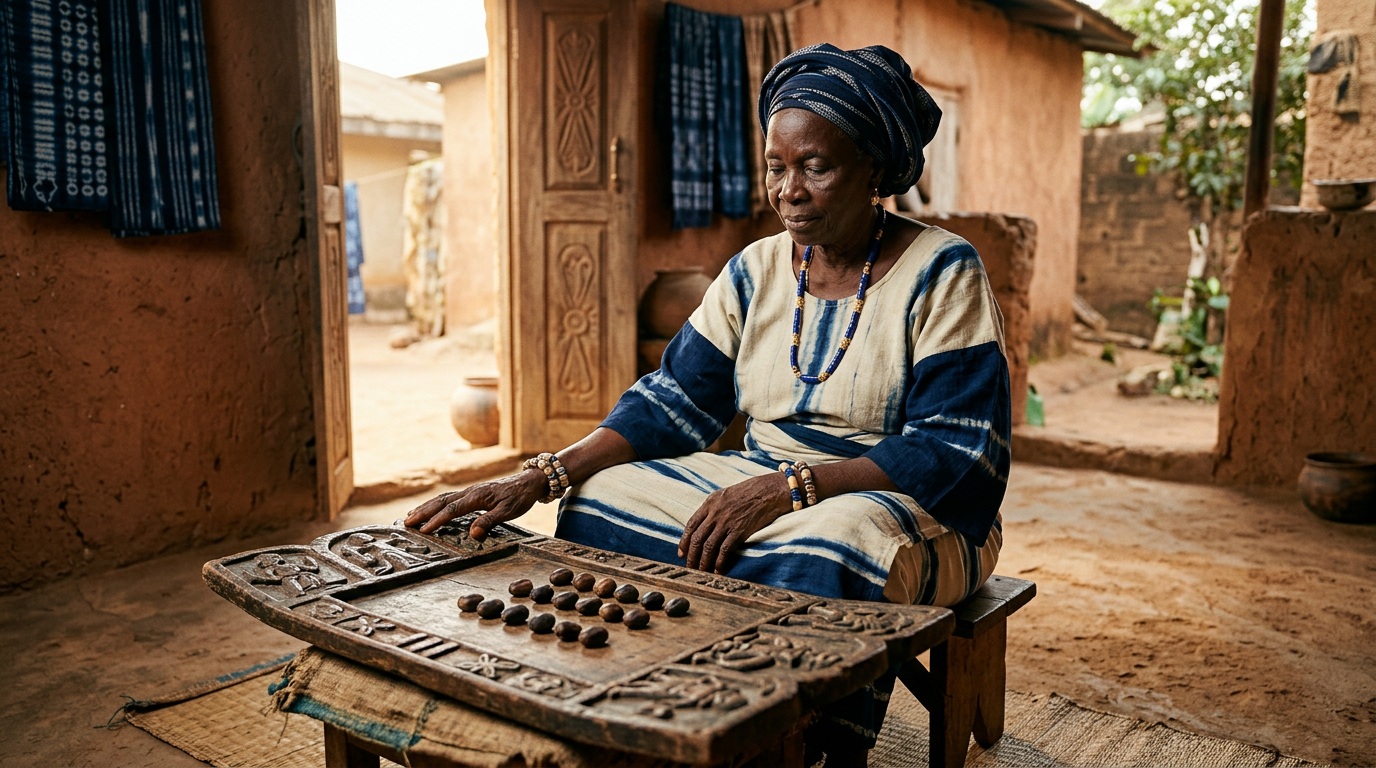
Ìyánífá is a Yorùbá title that translates literally as "mother has Ifá" or "mother in Ifá," and it designates a woman who has been fully initiated into the Ifá priesthood. The name itself is a statement of status: not an aspirant, not an observer, but a priest. The feminine root ìyá (mother) paired with Ifá signals both spiritual maternity and full belonging within the tradition.
Two titles circulate in community discourse: Ìyánífá and Ìyáláwo. Scholars commonly note that while these terms are often used interchangeably in practice, they carry technically distinct meanings — Ìyáláwo translates as "mother of mysteries" or "mother of divination," while Ìyánífá specifies a direct initiatory relationship with Ifá itself. The practical weight of the distinction varies by lineage.
One other conflation is worth naming early: the Apetebi. An Apetebi is a woman consecrated in close relationship to a Babaláwo — sometimes a spouse, sometimes a dedicated companion to the tradition — but she is not an initiated priest in her own right. Confusing Apetebi with Ìyánífá misrepresents both roles. An Apetebi's consecration is honorable and significant; it simply isn't the same thing as full Ifá ordination.
Distinction between Ìyánífá and Babaláwo
A Babaláwo, father of mysteries, is the male counterpart of the Ìyánífá. Both are initiated Ifá priests trained in divination, ritual and the oral corpus.
Before initiation, a student of either path is Omo Awo. Itefa is what makes a person Babaláwo or Ìyánífá. There is no further title waiting on the other side, and no fixed number of years to serve. The length of study is set by the Oluawo and varies by lineage.
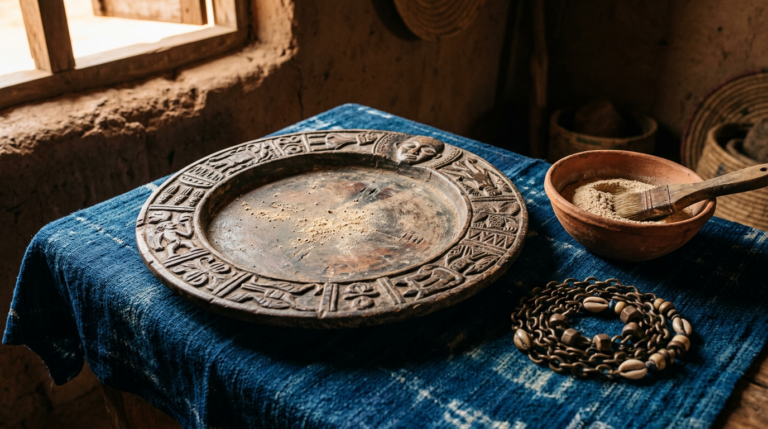
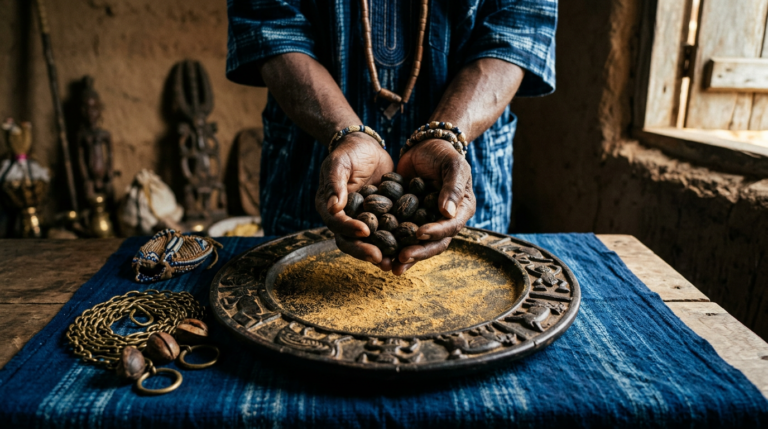
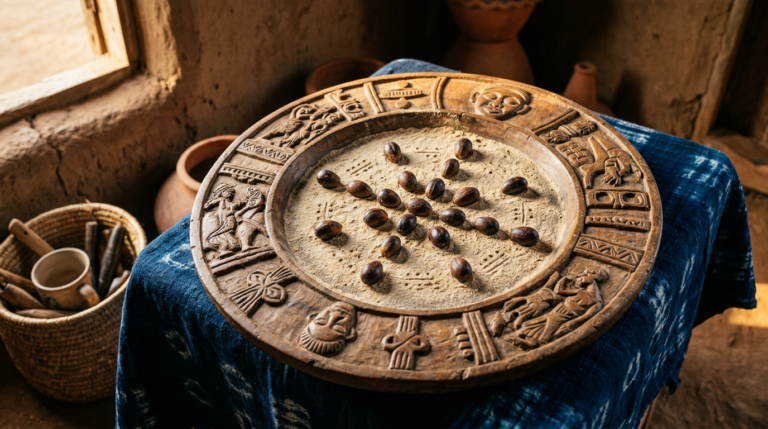
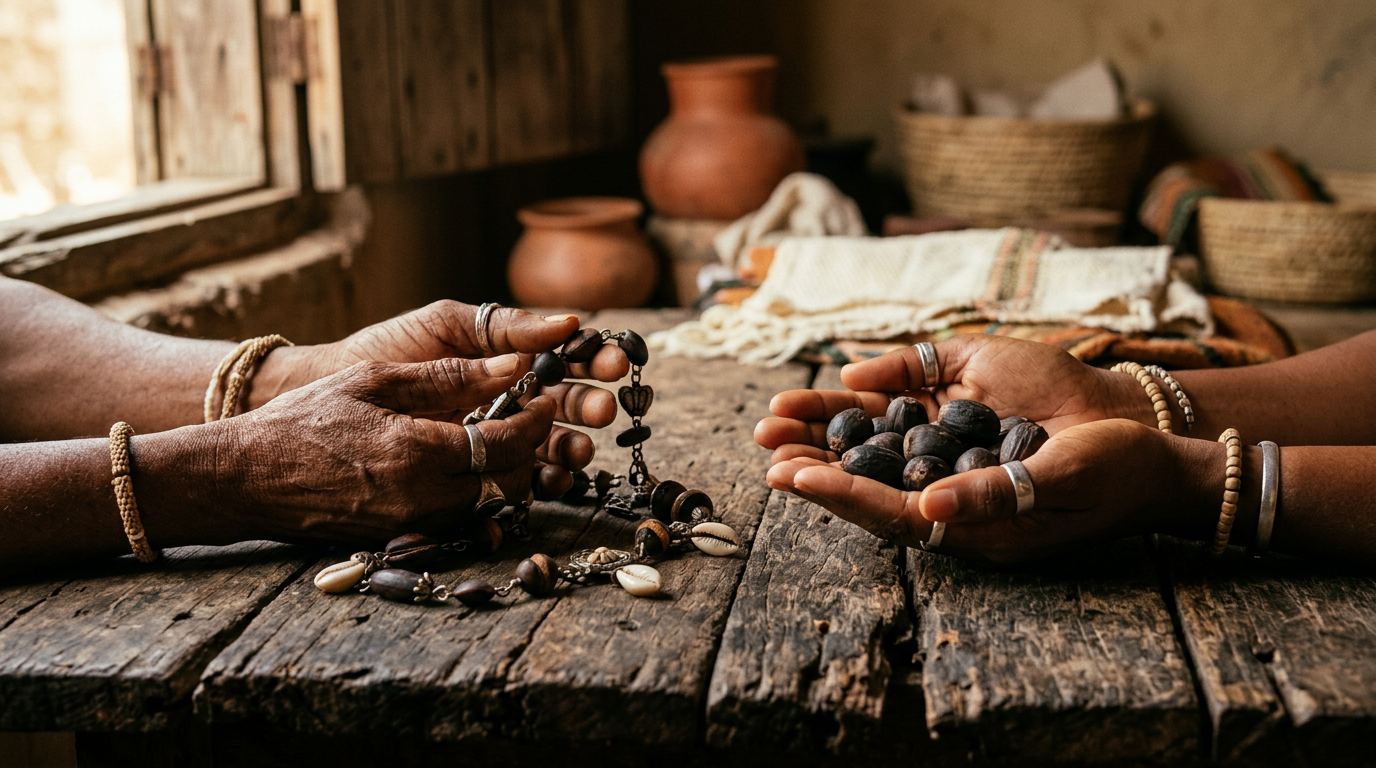
Where lineage-specific distinctions do exist, they typically concern which divination instruments a priest may use and which ceremonies she may lead — not whether her initiation is valid. Some lineages permit women to divine with both the Opele chain and Ikin (sacred palm nuts); others restrict women to the Opele. These are real ceremonial differences, and presenting Ìyánífá and Babaláwo as fully identical without qualification would erase them. Acknowledging those distinctions honestly is itself a form of respect for the tradition's complexity.
Historical and Scriptural Foundations
References to Women Priests in the Odù Ifá
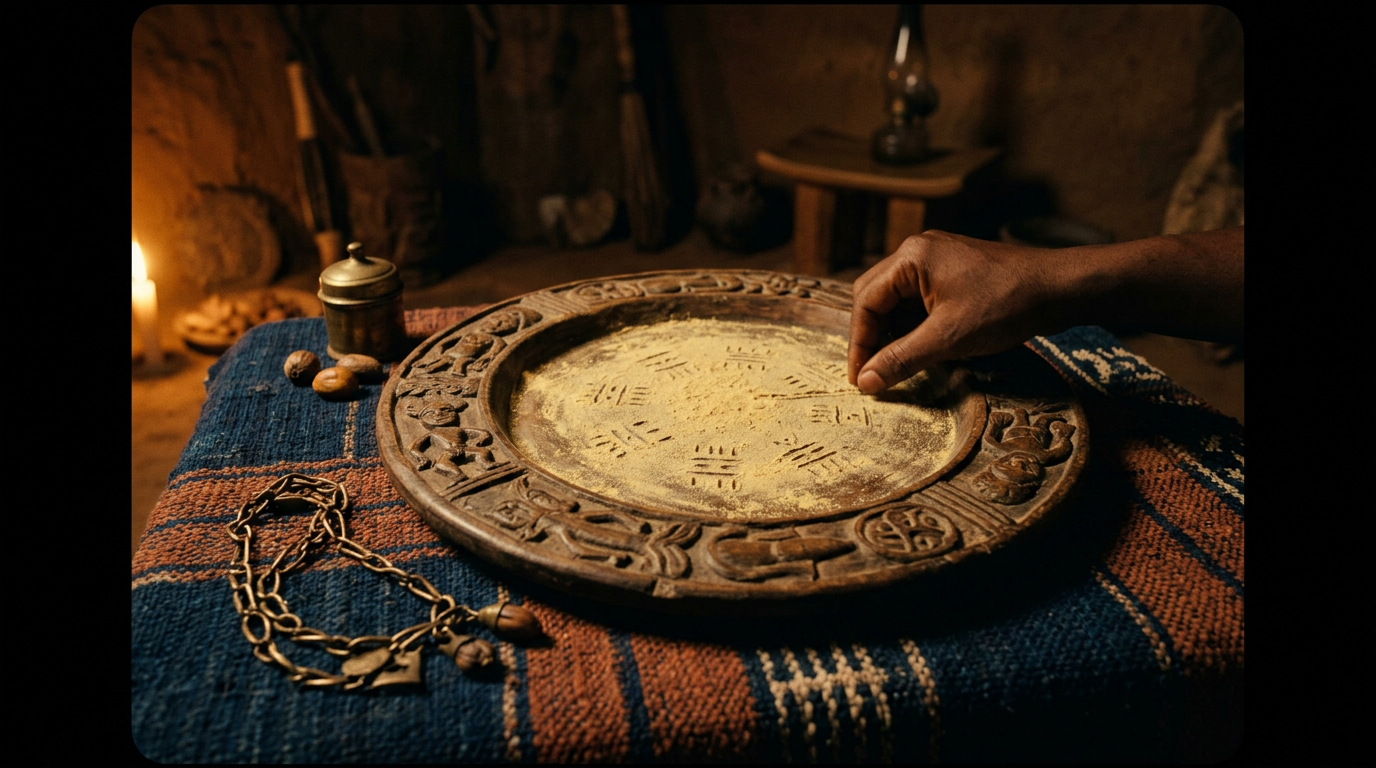
The Ìyánífá role is not a modern invention. The evidence for women's authority in Ifá reaches into the tradition's own sacred corpus, the Odù Ifá, which comprises 256 major Odù, each subdivided into verses called Ese Ifá — approximately 800 Ese per Odù according to UNESCO's official documentation of the tradition. That is an enormous body of literature. Women appear in it as active agents, not footnotes.
The Odù Odi Ogbe, for instance, contains a named woman — Eruko-ya-l'egan o d'Oosa, also known as Orisa Oke — performing divination and ritual sacrifice for Orunmila himself. Widely cited accounts describe this passage as establishing scriptural precedent for female diviners within the corpus. If the Ifá tradition's own literature shows a woman performing priestly functions for its patron deity, appeals to female exclusion cannot claim scriptural inevitability.
The Odù Òsétúrá goes further. Practitioners widely cite this Odù as teaching that women were the original custodians of divine secrets before choosing to share that knowledge with men — a claim that, if accepted, positions women's esoteric authority as cosmologically primary rather than secondary.
Oral Histories and Ancestral Precedents
Pre-colonial Yorùbá political structures also encoded female Ifá authority at the highest levels. Widely cited historical scholarship describes the Ìyá Mọlẹ̀ — the royal mother's Ifá priestess — as both the personal diviner to a Yorùbá ruler and the head of all Ifá priests in certain royal courts. The institution was not marginal; it was structural. Royal mothers of Yorùbá rulers were historically required to hold the Ìyáláwo or Ìyánífá title, embedding female priestly authority into the governance of Yorùbáland itself.
At the cosmological root of the Ifá system sits Odù (also Orisa Odu), the metaphysical source of all 256 Odù patterns — personified as female. The archetypal keeper of cosmic mysteries in Yorùbá cosmology is not a man. That female personification at the very core of Ifá's structure provides a cosmological grounding for women's participation that predates any historical institution.
The Initiation Path for Women in Ifá
Stages of Ifá Initiation for Women
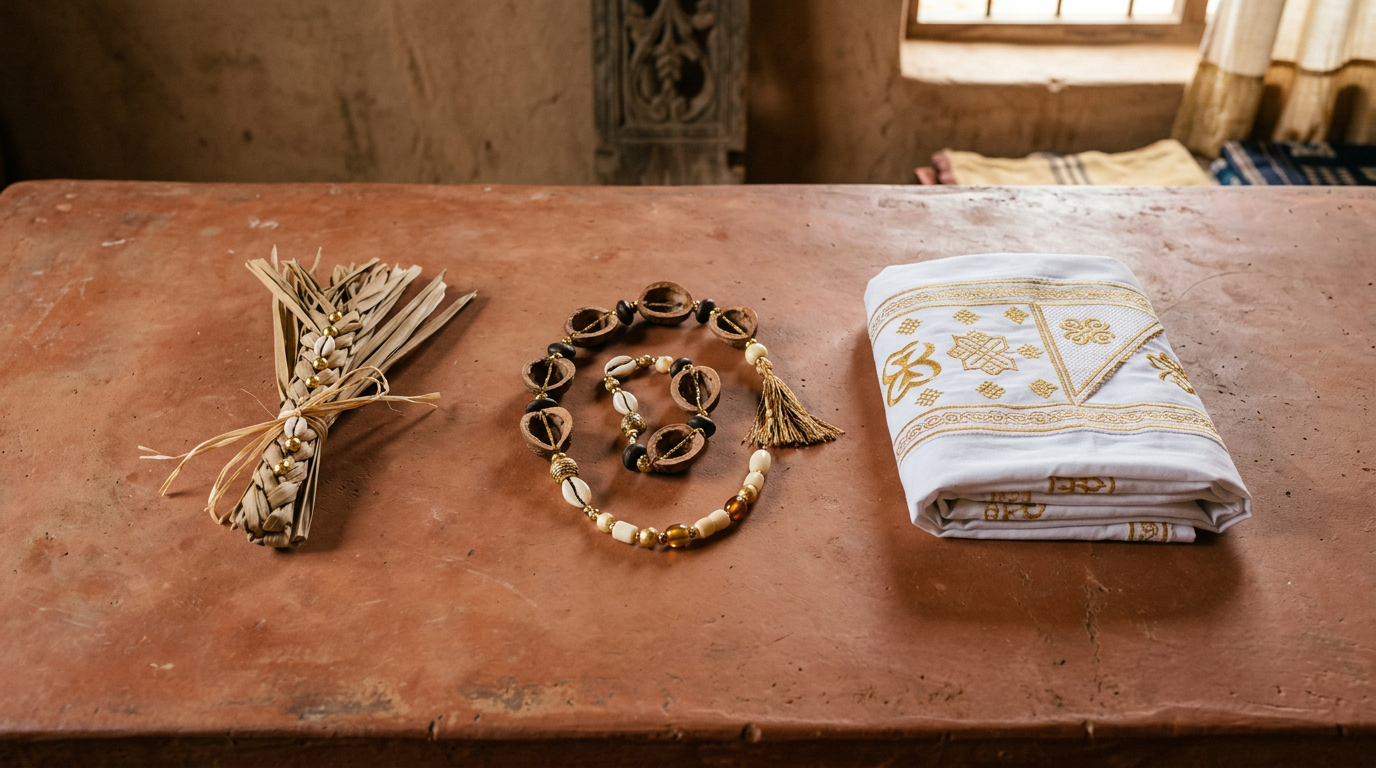
Full Ìyánífá initiation follows a demanding and structured path, and it is the same foundational path for women and men. A woman studies as Omo Awo, learning to identify Odù, to interpret Ẹsẹ Ifá and to take her part in ceremony. When her Oluawo judges her ready she undergoes Itefa, and from that rite she is Ìyánífá.
Study does not end there. It continues for as long as she practises, and no one can tell her in advance how many years any of it will take.
That said, access to Itefa itself varies. Some Yorùbá lineages do not permit women to undergo full Itefa initiation at all. Others allow the initiation but set different parameters around which instruments may be used afterward. Still others place no such restrictions. These are documented variations, not defects — they reflect the lineage diversity that characterizes a living oral tradition spanning many communities, geographies, and centuries.
Ceremonial Responsibilities and Liturgical Functions
Where women are fully initiated, their ceremonial responsibilities mirror those of Babaláwo in important respects. An Ìyánífá trains in memorizing and interpreting the Ese Ifá verses across all 256 Odù — the same corpus a Babaláwo must master. She performs divination consultations, prepares and conducts rituals, and may train her own Omo Awo. The breadth of required knowledge is the same; only specific ceremonial protocols may differ by lineage.
The Òrìṣà tradition and spiritual practice that surrounds Ifá also involves an Ìyánífá in the broader ecosystem of Yorùbá religious life. She does not practice in isolation from that world — she is embedded in it, connected to community, to lineage elders, and to the ongoing transmission of the tradition.
Contemporary Debates and Perspectives
Supporters of the Ìyánífá Tradition
The sharpest version of the contemporary debate crystallized between 2004 and 2007, when a transnational dispute pitted Cuban, Nigerian, and American styles of Ifá against each other over gender regulations, religious sexuality, and global authority in what scholars now formally call the Ìyánífá debate. That peer-reviewed account of the controversy documents what practitioners already knew: the question of women's initiation was never simply an internal Nigerian matter. It had become a global argument about who owns the tradition and who defines its rules.
Supporters of full female initiation point to multiple streams of evidence: the Odù passages naming women diviners, the pre-colonial record of royal female Ifá priests, the cosmological primacy of the feminine in Yorùbá sacred thought, and the tradition's own oral literature placing women at its origins. The Ifá Women's Association, which documents hundreds of initiated Ìyálawos and Ìyánífás across West Africa and the diaspora, has been among the most prominent institutional voices supporting recognition of women's priestly authority.
Common Objections and Their Cultural Context
Opposition to female initiation is real, and it deserves an honest account rather than dismissal. Some orthodox Nigerian and Cuban Babaláwo communities dispute the legitimacy of female initiation entirely, grounding their position in lineage tradition and specific interpretations of the Odù. The Cuban Lucumí tradition, which developed through centuries of diaspora transmission largely without female Ifá initiates, generated particular friction when encountering Nigerian lineages that do initiate women — a divergence that fed directly into the 2004–2007 dispute.
Some scholars and practitioners have argued that restrictions on women in certain lineages reflect colonial-era social pressures and patriarchal overlays rather than original Ifá doctrine, citing the pre-colonial court evidence as counterweight. That argument is meaningful and worth taking seriously. It is also contested — and asserting it as settled fact would dismiss legitimate internal tradition differences that other practitioners hold with equal conviction. Both things can be true: restrictions may have intensified under colonial conditions, and some lineages have always understood those restrictions as authentic.
Ìyánífá in the Global Diaspora
Growth of Ìyánífá Communities outside Nigeria
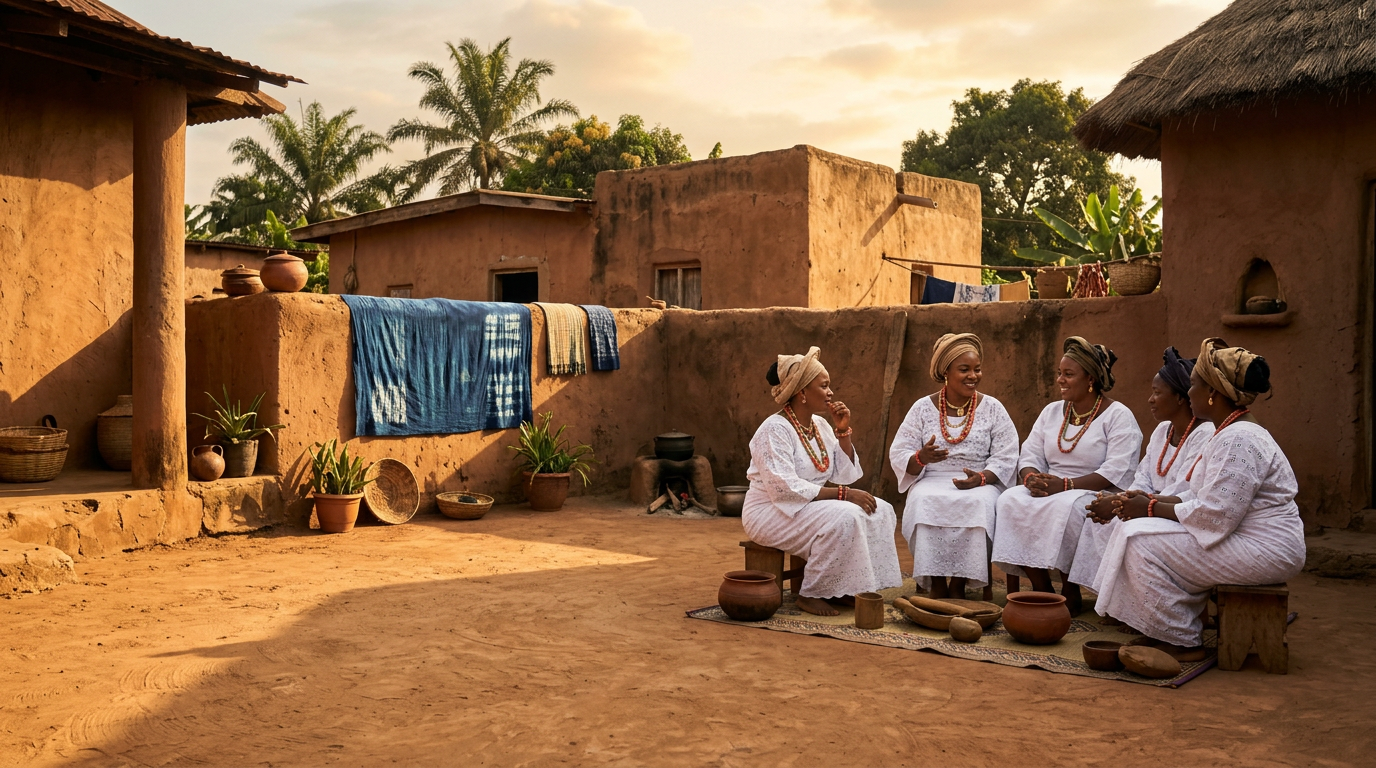
The African diaspora, particularly in the United States, has become one of the most active sites of Ìyánífá practice. According to the Ifá Women's Association, American women are currently the fastest-growing group of priests in the Ifá tradition. That is a striking fact. Whatever one's position on the theological debates, the lived reality is that women are being initiated, are practicing, and are building communities — often with significant rigor and commitment.
The Ifá divination system was inscribed by UNESCO as an Intangible Cultural Heritage of Humanity in 2005, a recognition that acknowledged the tradition's global significance and the roles of both Babaláwo and Ìyánífá in its transmission. That international recognition did not resolve internal debates, but it did formalize Ifá's status as a world tradition — not the exclusive property of any single geography or lineage configuration.
Bridging Tradition and Modern Practice
Diaspora Ìyánífá communities face a distinct set of pressures: distance from Yorùbáland, limited access to some lineage elders, and the need to navigate multiple cultural contexts simultaneously. What has emerged in response is often creative, adaptive, and deeply sincere. Women priests in the United States and Brazil, among other locations, have established houses, trained initiates, and built institutional structures — including the Ifá Women's Association itself — to support practice outside Nigeria.
This is not without tension. Questions about lineage authenticity, ceremonial completeness, and accountability to Yorùbá elders remain live. But the growth itself signals something: the Ìyánífá tradition is not a fringe revival. It is a significant strand of Ifá and Òrìṣà practice with deep roots and an expanding present.
Why the Ìyánífá Conversation Matters
The Ìyánífá discussion matters because how a tradition treats its own internal evidence about gender tells us something about its integrity — and because the answer shapes who feels welcome to enter and carry it forward.
The evidence, honestly assembled, is not simple. There are scriptural precedents for women priests. There are pre-colonial historical examples of women leading Ifá ritual at the highest levels of Yorùbá political life. There is also genuine lineage variation, some of it long-standing, that restricts women's roles in ways that practitioners within those lineages regard as legitimate and meaningful. A serious engagement with Ìyánífá has to hold all of that.
What it should not do is collapse the question into a binary — either women have always been full priests in every lineage, or the whole institution is a modern invention. Neither claim survives the evidence. What the evidence supports is this: women's authority in the Ifá tradition has deep roots, has never fully disappeared, and is today more widely practiced and better documented than at any point in recent memory.
For anyone walking the Ifá path, understanding who the Ìyánífá is — and why she is — is not optional context. It is part of understanding what Ifá divination is at all.
Where to Go From Here
If you are new to these questions, begin with the Odù themselves. The verses are the tradition's primary witness. From there, seek out the voices of initiated Ìyánífá practitioners speaking from within their lineages — not just commentary about the tradition, but testimony from inside it. The debate over women in Ifá will continue; traditions that have lasted millennia are not resolved in a blog post. But you can enter that conversation better prepared, less likely to mistake a lineage-specific custom for a universal rule, and more capable of holding the tradition's complexity with the care it deserves.