

In the dynamic world of alternative medicine, Yoruba medicinal plants stand out not just for their healing properties but also for their rich cultural heritage. Growing up in Nigeria, I was always surrounded by tales of the healing power of plants, often whispered about in my grandmother’s kitchen where she brewed different herbal concoctions.
These experiences ignited my passion for herbal medicine and the broader field of ethnomedicine. This article will explore lesser-known plants used by the Yoruba people, their traditional roles in community health, and their relevance in contemporary herbal medicine practices. I will offer insights that connect past wisdom to modern usages, making this guide not just for practitioners but also for cultural enthusiasts.
Table of Contents
Understanding the Cultural Context of Yoruba Medicinal Plants
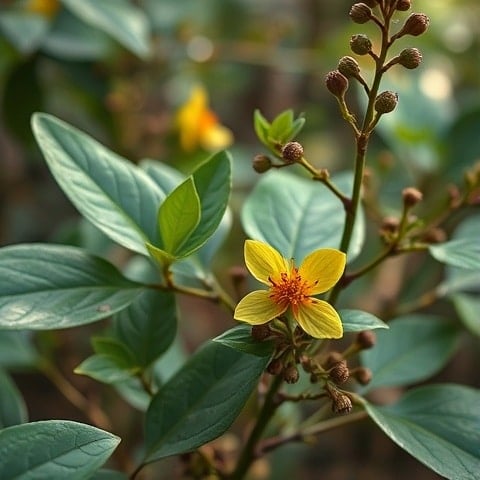
To truly appreciate Yoruba medicinal plants, it is essential to understand their historical significance in Yoruba culture and healing practices. The Yoruba people, one of Nigeria’s largest ethnic groups, have a rich tradition of herbalism that dates back centuries. It’s remarkable how these practices have been maintained through oral traditions where elders impart their knowledge of healing plants to younger generations. Traditional healers, or “Babalawos,” play a crucial role in preserving this plant knowledge, acting like walking encyclopedias of botanical wisdom.
In Yoruba culture, every plant carries its unique identity and story, adding layers to its significance in healing rituals and ceremonies. For instance, using plants in spiritual offerings showcases a connection between the natural and supernatural realms. This intertwining of health and spirituality is what makes Yoruba healing practices unique and deeply rooted in cultural beliefs. Each plant used has significance beyond its physical properties, often linked to ancestral wisdom.
It was during a community festival in my hometown that I first encountered the local healer, who explained how various plants were more than just remedies—they were tied to our ancestors’ rituals and life celebrations. Such experiences highlight that the connection with these plants goes beyond treating ailments; it’s about honoring tradition and community health. I remember the healer using leaves from the “Ewe Iya” plant, not only to treat an illness but also as an offering for blessings, illustrating the sacred nature of these plants.
The Yoruba strategy of integrating cultural rituals with healing practices enhances the community’s connection to the land. This reinforces the social cohesion within communities while ensuring that medicinal knowledge is upheld. However, as globalization poses challenges, it becomes increasingly important to document this wealth of knowledge to ensure it is not lost.
Key Yoruba Medicinal Plants and Their Uses
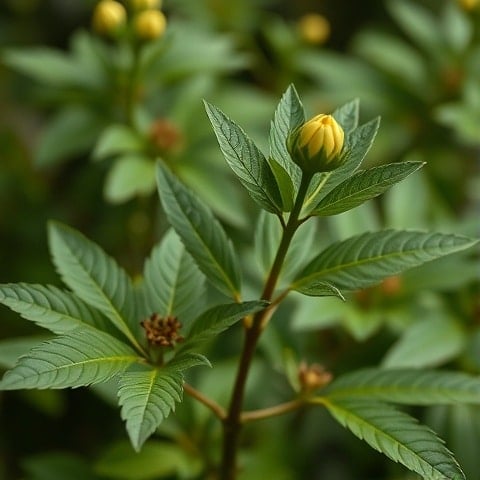
Let’s go over some key Yoruba medicinal plants and their incredible uses. One of the lesser-known heroes of Yoruba herbal medicine is Alstonia boonei, commonly referred to as “Ewe Iya”. This tree is vital in traditional healing practices for its use in treating fever, digestive issues, and as a general health tonic. Growing up, I remember my grandmother would make a tea from Ewe Iya’s bark for anyone suffering from malaria, and it was always effective.
Interestingly, the use of Ewe Iya extends beyond malaria. The tree’s roots and leaves are also used to treat skin conditions and infections. The rich phytochemical constituents in Alstonia, particularly alkaloids, flavonoids, and tannins, have sparked interest among researchers, adding a layer of validation to its traditional uses. Scientific studies have indeed confirmed that these compounds possess antimicrobial and antioxidant properties, aligning with the knowledge passed down through generations.
Another fascinating plant in the Yoruba repertoire is Ricinus communis, or castor oil plant. While the oil is known globally for its laxative effects, in Yoruba medicine, it’s used topically for wounds and to soothe inflammation. I vividly recall an experience where my long-time friend sustained a cut while playing football (soccer). Upon returning home, her mother promptly applied fresh castor oil paste to the wound, emphasizing how effective and natural remedies can foster quicker healing.
However, it’s essential to note the comparative analysis of common vs. rare plants within Yoruba healing traditions. While plants like ginger and garlic are popular in many households and broadly acknowledged for their health benefits, rare species, such as Osmethus and Jatropha, are often overlooked but equally hold tremendous potential in treating various health concerns. Exploring these lesser-known varieties can enrich our understanding of herbal medicine, emphasizing the importance of preserving traditional practices and knowledge.
The Biochemical Properties of Yoruba Medicinal Flora
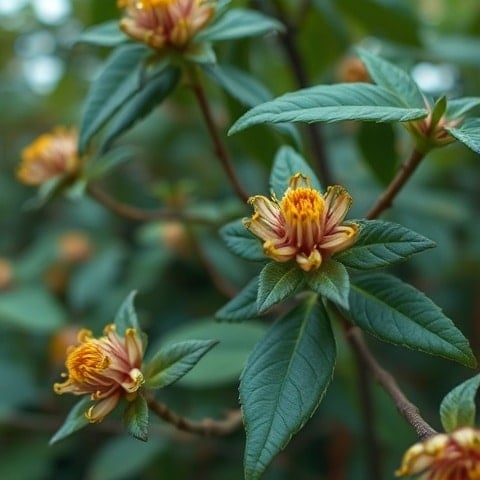
Understanding the biochemical properties of Yoruba medicinal flora is crucial to bridging traditional uses with scientific validation. It’s fascinating to see how modern science reaffirms centuries of knowledge passed down through oral traditions. Due to my insatiable curiosity, I find it incredibly rewarding to uncover the active compounds in these plants that contribute to their medicinal prowess.
For instance, preliminary scientific studies have shown that many Yoruba plants contain bioactive compounds such as flavonoids, terpenoids, and alkaloids. These compounds are not just buzzwords; they are markers of efficacy. For example, studies on Ewe Iya have isolated specific alkaloids that exhibit potent anti-malarial properties. This scientific validation is crucial, as it enhances the credibility of traditional practices in an increasingly skeptical world.
The active compounds are what make Yoruba plants effective as alternative treatments. Herbalists have long known about the synergistic effects of combining various plant materials in their practices. The complex chemistry within these plants often leads to enhanced therapeutic benefits, which many modern pharmaceuticals fail to replicate. This interplay between the chemical constituents found in the plants is a fervent topic among researchers interested in phytotherapy, the study of medicinal plants and their impacts on health.
Moreover, this understanding has immense potential for pharmaceutical applications and modern health fields. As interest in natural remedies rises, there’s an opportunity for collaborations between traditional healers and research institutions. Finding ways to integrate these ancient practices with modern health solutions can lead to innovative approaches to healthcare, expanding treatment options for various ailments. But it’s also crucial to ensure that these practices honor and preserve the cultural integrity of their origins, striking a balance between traditional knowledge and scientific inquiry.
Yoruba Medicinal Plants in Global Context
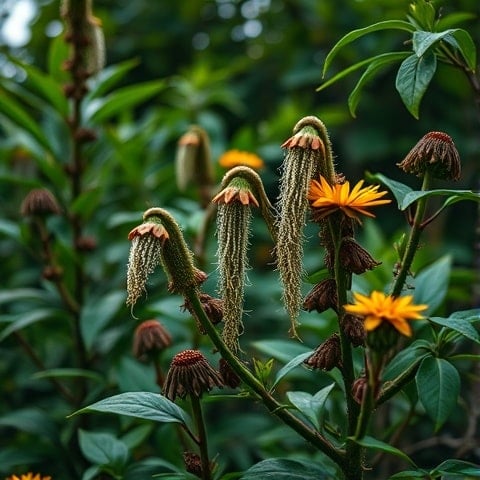
Now, as we navigate the global landscape of herbal medicine, it’s enlightening to consider how Yoruba medicinal plants fit into this larger context. The similarities and differences in global herbal practices reveal a fascinating interplay of knowledge systems. Many Western herbalists recognize the holistic approach prevalent in many African traditional medicines, including those of the Yoruba.
In my conversations with practitioners and herbalists worldwide, I’ve often found that indigenous knowledge about plants transcends geographical borders. For instance, the healing applications of Ewe Iya resonate with the uses of other herbal remedies within various cultures, albeit often under different names. The exchange of knowledge can lead to a deeper understanding of herbalism, emphasizing a shared goal: wellness.
Some inspiring case studies demonstrate this integration of Yoruba plants into holistic medicine models. In recent years, health practitioners in the West have begun incorporating plants like Ewe Iya and castor oil into their health regimens, validating their uses while expanding patient treatment options. However, despite these promising developments, barriers to recognition in modern medicine and the global herbal market still exist.
Many of these barriers stem from regulatory challenges, where traditional remedies often lack the backing of scientific studies required for widespread approval. This has led to a situation where the benefits of Yoruba medicinal plants remain underutilized outside their traditional contexts.
As someone who values both traditional practices and scientific inquiry, I believe it’s essential to advocate for greater recognition and acceptance of Yoruba medicinal plants within the medical community. You have to imagine a world where ancient wisdom and modern science coexist, contributing to a more comprehensive understanding of health that respects and honors both traditions.
Conservation and Sustainable Practices in Harvesting Yoruba Medicinal Plants
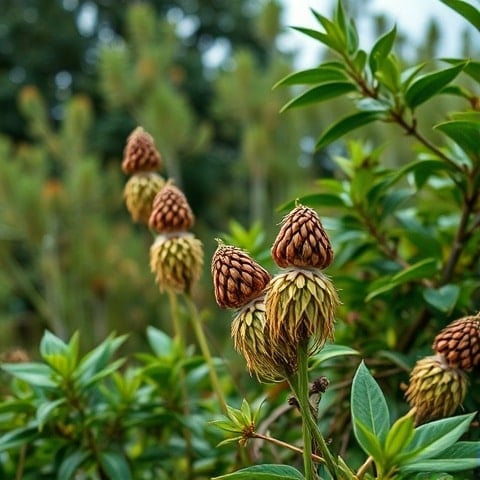
Environmental impact plays a significant role in the sustainability of Yoruba medicinal plants. With overharvesting and climate change influencing biodiversity, we face the real danger of losing vital plant species. I often reflect on the diversity of plants I observed in my childhood—something I fear my younger siblings may not experience.
The urgent need for community-led initiatives for sustainable harvesting practices cannot be overstated. Organizations and groups focused on educating and training communities on ethical sourcing, cultivation, and conservation are making strides in preserving these invaluable resources. For instance, traditional healers can foster better practices by encouraging the cultivation of medicinal plants within their communities rather than solely relying on wild harvesting.
Holding workshops and training sessions to educate locals about sustainable practices has yielded promising results. I took part in one such workshop, where herbalists and community members were trained to recognize and cultivate neglected but crucial plants for local health practices. This initiative offered an exciting blend of traditional knowledge and modern conservation techniques, showcasing a path forward that highlights the importance of plant conservation in traditional medicine.
It’s also vital to take into account the ethical considerations in the cultivation and use of Yoruba medicinal plants. Ensuring that the communities who actively use these plants have a stake in their commercialization helps increase the sustainability of the medicines while respecting local customs and traditions. Collaborative partnerships can support economic empowerment while safeguarding the proper use of these plants, fostering a culture of respect for nature and, importantly, for the age-old traditions that accompany these practices.
Challenges Facing the Knowledge Transmission of Yoruba Medicinal Plants
Rediscovering the treasure trove of Yoruba medicinal plants brings to light the challenges facing the traditional knowledge transmission. One of the most pressing issues is the generational gap in sharing this invaluable wisdom. The youth, often distracted by modernization and technology, risk losing touch with the rich traditions practiced by their ancestors.
As someone who has witnessed the slow fading of traditional practices in my country, I understand this concern all too well. Many children are less inclined to learn about herbal medicine, favoring more modern treatments without considering the benefits of their heritage. This phenomenon is alarming because it deprives the younger generations of the benefits and knowledge of the plants around them.
Efforts towards documentation and education in rural communities are crucial. Imagining learning environments where elders can teach young people about herbal medicine is essential for preserving this knowledge. Initiatives that incorporate traditional teachings into formal education systems may bridge this gap, creating opportunities for sharing and encouraging the juxtaposition of modern medicine with traditional plant-based remedies.
Additionally, community outreach and advocacy can serve as a tool to raise awareness, stressing the importance of these practices for cultural identity and health sustainability. By promoting local herbal practices and resources, we can rekindle interest in Yoruba medicinal plants, empowering future generations to carry forward this rich legacy.
Future Trends in Yoruba Medicinal Plant Research
Looking ahead, the future trends in Yoruba medicinal plant research are bright and exciting. Emerging research areas, such as gene study and preservation techniques, hold the promise of increasing the understanding and cultivation of these plants. By studying the genetics of these species, we can uncover insights that will aid conservation efforts, +enhancing the sustainability of key herbal practices.
The potential collaborations with biotech firms can lead to innovative solutions that align traditional medicine with modern practices. Imagine if we could enhance traditional plants with hybrid strains that could offer greater benefits while retaining their traditional forms. This blending of science and tradition could lead to breakthroughs in plant health and medicine.
Moreover, commercial opportunities for developing innovative products based on traditional knowledge present a valuable avenue for economic empowerment within communities. Creating herbal supplements or wellness products not only fulfills market demand but also provides vital income streams for those engaged in traditional practices. This aligns with growing trends in natural health and wellness, where consumers seek authentic connections to their products.
As I reflect on the future of Yoruba medicinal plants, I envision a pathway where modern research collaborates harmoniously with ancient knowledge. This approach not only respects the role of traditional healers and their practices but also works towards a broader understanding of health, holistically weaving together the lessons of yesterday with the innovations of tomorrow.
Conclusion
This exploration of Yoruba medicinal plants provides not just an insight into herbal remedies but also underscores the profound connection between culture, environment, and health. As we face modern health challenges, tapping into traditional wisdom while ensuring sustainable practices could pave the way for a healthier future and preservation of cultural heritage. The stories I’ve shared of healing plants remind me of the incredible wealth of knowledge held by indigenous cultures and their relevance today. By honoring and preserving these traditions, we can ensure that the gifts of Yoruba medicinal plants continue to enrich lives for generations to come.