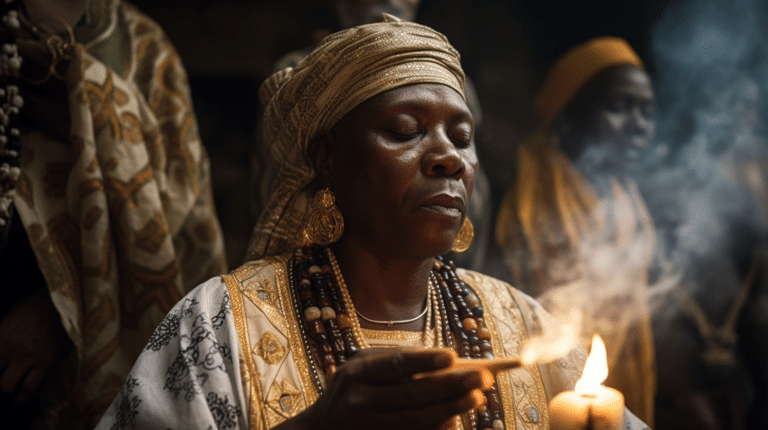
I’ve always been fascinated by how ancient healing traditions view wellness so differently than we do today. The first time I witnessed a traditional Yoruba healing ceremony, it completely transformed my understanding of what “medicine” could be. Instead of treating isolated symptoms, I watched as every aspect of a person’s existence was addressed simultaneously.
Traditional Yoruba healing practices have sustained communities across West Africa for thousands of years before modern medicine even existed. These aren’t primitive approaches that science has rendered obsolete – they’re sophisticated systems that modern research is only beginning to understand and validate.
The Yoruba people, primarily from southwestern Nigeria, have developed one of Africa’s most comprehensive approaches to wellness. Their influence extends globally through diaspora communities, particularly in the Americas where Yoruba healing traditions merged with other practices during the transatlantic slave trade.
What makes the Yoruba approach so powerful is its refusal to separate physical health from mental, emotional, and spiritual wellbeing. While Western medicine excels at specialization, it often fragments the person. In contrast, Yoruba healing sees all these elements as completely interconnected.
In this article, I’ll walk you through the foundations of the Yoruba healing system, its key components, and how it addresses wellness on multiple levels simultaneously. You’ll discover ancient wisdom that might just change how you think about your own health journey.
The Philosophical Foundation of Yoruba Healing

When I first began studying Yoruba healing traditions, I struggled to grasp the concept of “ase” (sometimes written as “àṣẹ”). It’s not just energy in the way we typically think about it – it’s the vital life force that flows through everything. A traditional healer once told me, “Without understanding ase, you cannot understand Yoruba healing.”
In Yoruba philosophy, health exists when ase flows properly through the person. Illness occurs when this flow is disrupted, whether by physical, spiritual, or social factors. This is why treating just physical symptoms without addressing the underlying disruption of ase would be considered incomplete care.
The Yoruba system also recognizes the critical balance between what’s called “ori inu” (inner head or consciousness) and “ori ode” (physical head or body). When these are in harmony, health follows naturally. When they’re in conflict, illness emerges. I’ve seen this concept validated by modern psychoneuroimmunology research showing how psychological states directly impact immune function.
What struck me most about Yoruba healing philosophy is the relationship it establishes between humans, nature, ancestors, and the divine forces known as orishas. Unlike the Western view where humans stand apart from nature, Yoruba tradition sees us as part of an interconnected web. Our health depends on maintaining proper relationships with all these elements.
This explains why illness isn’t viewed simply as a malfunction of bodily systems but as a disruption of natural harmony. A persistent cold might be seen as evidence of spiritual imbalance or a strained relationship with one’s ancestors. While this might sound strange to those raised with Western medicine, it creates a framework where true healing must address the whole person within their complete context.
Key Components of the Yoruba Healing System

The Yoruba healing system operates through several interconnected components, each addressing different aspects of wellness. In my research, I’ve found that understanding these components helps clarify how this ancient system achieves such holistic results.
At the center of the traditional system is the babalawo (father of secrets) – a priest-healer extensively trained in Ifa divination and healing practices. Other practitioners include the onisegun (herbalist), elegberin (healer utilizing songs), and various orisha priests specializing in specific healing domains. These aren’t just spiritual figures – they’re knowledge keepers of complex medical traditions.
Ifa divination serves as the primary diagnostic tool in Yoruba medicine. Using the sacred divination chain (opele) or palm nuts (ikin), the babalawo communicates with divine forces to identify the root causes of illness – whether physical, psychological, or spiritual. I’ve seen Western-trained doctors amazed at how accurately a skilled babalawo can identify health issues through this process.
Plant medicine forms the pharmacological foundation of Yoruba healing. The knowledge of herbs (called ewe) is primarily associated with Osanyin, the orisha of herbalism. Traditional practitioners classify hundreds of plants according to their properties and applications. What’s remarkable is how many of these plants have been scientifically validated to contain the medicinal compounds Yoruba healers have long claimed.
Ritual cleansing practices (cleanses both physical and spiritual toxins) represent another crucial component. These might involve herbal baths, smoke purification, or specific cleansing foods. They’re designed to remove negative influences and restore proper flow of ase. One elder told me, “Sometimes clearing away the spiritual blockage allows the body’s natural healing processes to function again.”
Sound healing through specific drum rhythms, songs, and incantations isn’t merely symbolic – it creates measurable physiological changes in practitioners and patients. Different rhythms invoke different orishas, each associated with specific healing properties. The vibrations of traditional drums have been shown to affect brainwave patterns in ways that promote healing states.
The Mind-Body Connection in Yoruba Healing Traditions

The mind-body connection, now increasingly recognized in Western medicine, has always been central to Yoruba healing. I remember speaking with a Yoruba elder who laughed when I mentioned this “new discovery” in Western healthcare. “We have always known that the head and heart cannot be separated,” she told me.
Emotional states in Yoruba healing are understood to directly impact physical health. Anger, grief, and fear aren’t just psychological experiences but forces that can manifest as physical ailments if not properly addressed. This is why traditional healing ceremonies often focus on emotional release through drumming, dance, and communal support.
What Western psychology might label as dissociative states or even psychosis, Yoruba tradition sometimes interprets as spiritual possession – the temporary embodiment of orisha energy. Rather than pathologizing these experiences, they’re contextualized within a spiritual framework that can be therapeutically powerful. I’ve witnessed people process deep trauma through ceremonial contexts that Western therapy might have taken years to address.
Community healing practices are particularly important in addressing collective trauma. When a community experiences hardship, healing ceremonies restore social bonds and shared meaning. This community approach recognizes that individual wellness cannot be fully separated from social wellness – a concept that public health officials are only beginning to fully appreciate.
Dream interpretation plays a crucial diagnostic role in Yoruba healing. Dreams are understood as communications from ancestors or spiritual forces, offering insights into health issues before they manifest physically. I was skeptical about this until a traditional healer accurately identified my developing respiratory infection based on dream patterns I reported – days before physical symptoms appeared.
The sophisticated understanding of mind-body connections in Yoruba tradition anticipated by centuries what modern psychoneuroimmunology now confirms: our mental states directly influence our physiological functioning through measurable pathways.
Addressing Physical Ailments in the Yoruba System
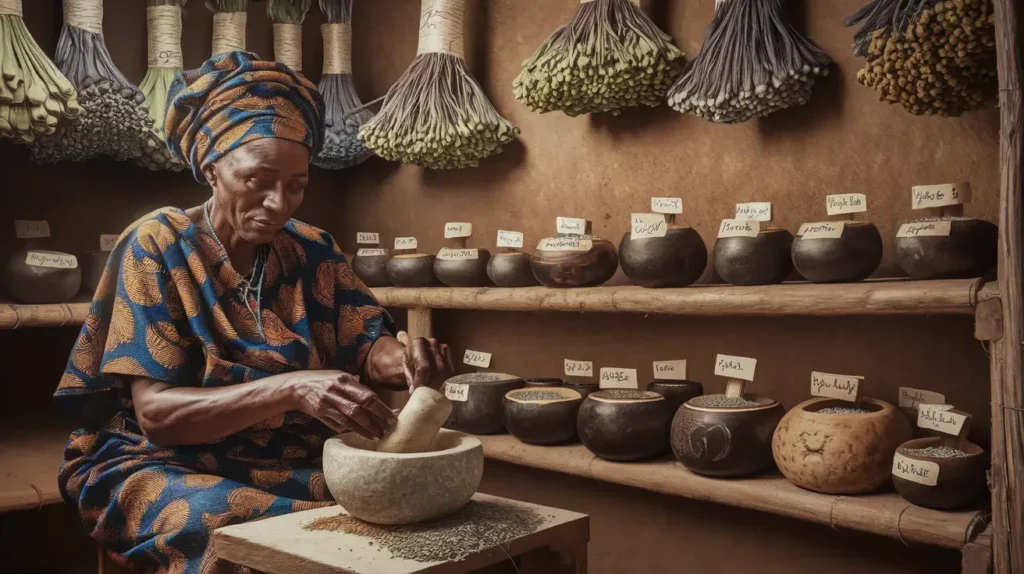
Despite its spiritual dimensions, the Yoruba healing system maintains a deeply practical approach to physical ailments. Traditional Yoruba herbalists classify plants according to properties like hot, cold, dry, and moist – similar to ancient Greek and Chinese systems, though developed independently.
The classification goes deeper, recognizing plants associated with different orishas and therefore useful for different conditions. For example, plants associated with Ogun (orisha of iron and surgery) might be used for blood-related conditions or injuries. I once badly cut my hand while visiting a remote village in Nigeria. The local healer applied a leaf poultice that stopped bleeding with remarkable speed – later I learned it contained natural coagulants long used in Yoruba medicine.
Common treatment methods for everyday illness include herbal infusions, poultices, steam treatments, and medicinal foods. These aren’t random folk remedies but systematic approaches refined over generations. What impressed me was how Yoruba healers adjust dosages based on the individual’s condition, age, and constitution – a personalized approach that modern medicine is only now returning to.
Sacred foods play both preventative and curative roles. Certain foods are prescribed for specific conditions or to maintain balance during different life stages. A Yoruba elder once told me, “Your medicine should be your food, and your food your medicine” – nearly identical to Hippocrates’ famous quote, though from a completely different tradition.
Physical practices, particularly dance, serve as both prevention and treatment. Specific dance movements are understood to stimulate organs, improve circulation, and release blocked energy. Different orisha dances work on different body systems. Many of these traditional movement practices show remarkable similarities to modern physical therapy techniques.
The preservation and transmission of this medical knowledge traditionally occurs through rigorous apprenticeship systems. Young healers spend years learning plant identification, preparation methods, and appropriate applications before practicing independently. This structured knowledge transmission has kept Yoruba medicine vital despite historical disruptions and colonial suppression.
Spiritual Dimensions of Yoruba Healing

The spiritual aspects of Yoruba healing aren’t separate from physical treatment – they’re integral to the entire system. One of my teachers explained it this way: “Treating the body without addressing the spirit is like watering a plant while ignoring its roots.”
Etutu ceremonies (propitiation or atonement rituals) serve crucial healing functions by restoring proper relationships between the individual and spiritual forces. These ceremonies might address ancestral obligations, broken taboos, or imbalanced relationships with orishas. I once witnessed a person suffering from persistent, medically unexplainable symptoms experience complete relief following an etutu ceremony that resolved a family conflict.
Ancestors play a vital role in health maintenance. Regular communication with ancestors through offerings and ceremonies is seen as essential preventative care. Neglecting these connections is understood to leave one vulnerable to illness. Many practitioners describe ancestors as “our first line of spiritual defense.”
Each orisha is associated with specific healing domains. Oshun governs fertility and women’s health issues. Obaluaye addresses infectious diseases. Yemoja influences maternal health. Specific protocols invoke these forces for relevant conditions. What’s fascinating is how these specialized domains parallel modern medical specialties, though conceptualized quite differently.
Protective spiritual practices for preventing illness include wearing specific charms, regular cleansing rituals, and maintaining proper spiritual boundaries. These aren’t merely superstitious – they create psychological security and often involve substantive health practices. For instance, protective amulets might contain herbs with genuine antimicrobial properties.
When physical symptoms persist despite treatment, Yoruba healers seek spiritual causes. This might involve divination to identify spiritual obstacles or negative influences. While this approach can seem foreign to those with strictly materialist worldviews, it provides explanation and resolution for conditions that might otherwise remain mysterious and distressing.
Modern Applications and Scientific Validation
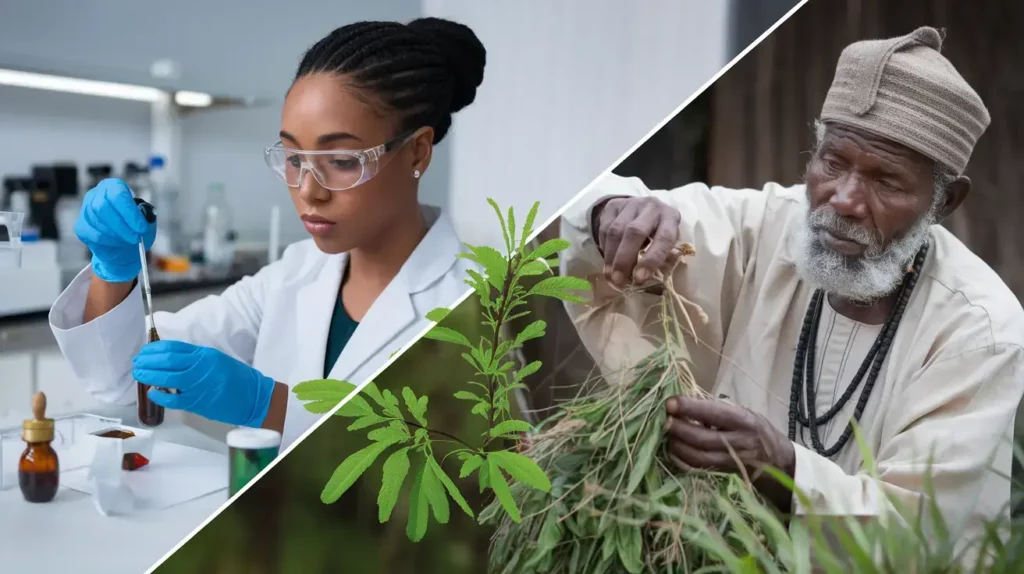
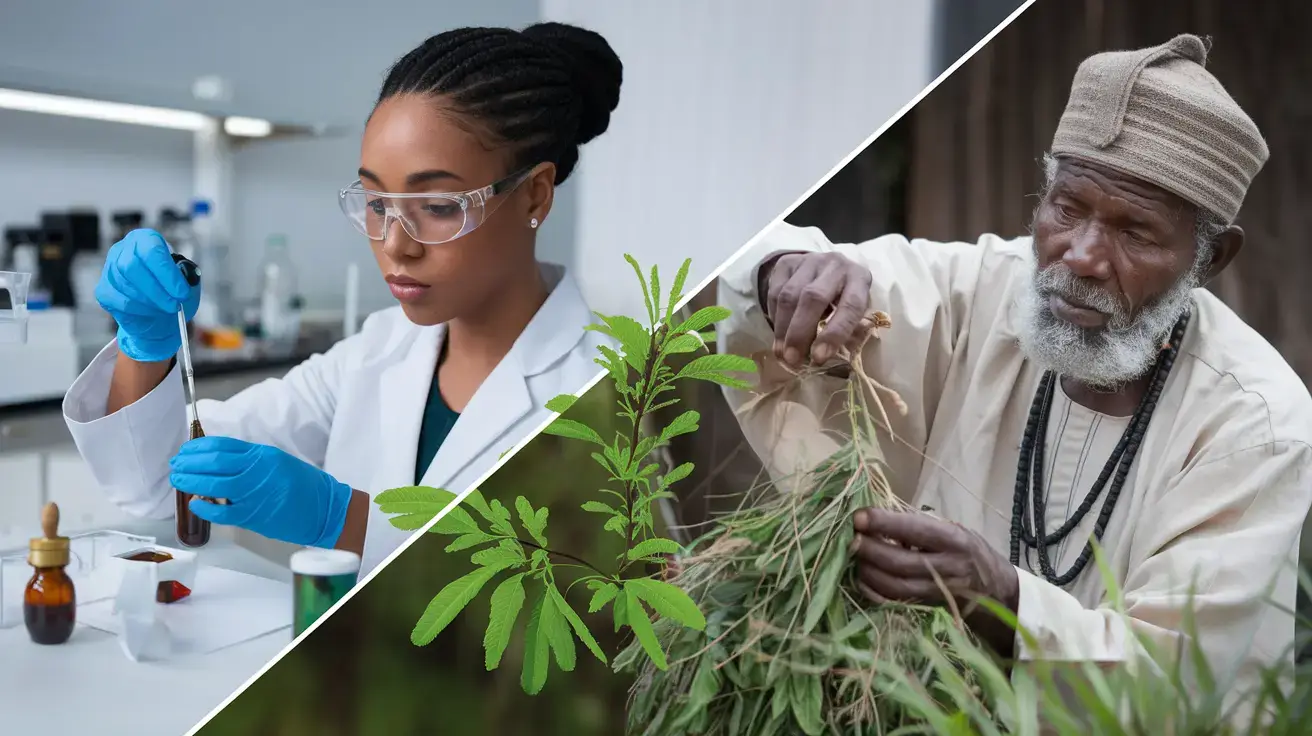
When I first began researching Yoruba healing, I approached it with the skepticism of my Western scientific training. What surprised me was how many traditional remedies have been validated by modern research. The antimalarial properties of traditional fever remedies, the anti-inflammatory compounds in certain ritual plants, and the psychological benefits of community healing ceremonies have all been documented in peer-reviewed studies.
Research on traditional Yoruba remedies continues to yield promising results. Plants like Garcinia kola and Morinda lucida, long used in Yoruba medicine, contain compounds now being studied for pharmaceutical development. A Nigerian researcher told me, “We’re only beginning to catch up to what our grandparents already knew.”
Integration of Yoruba healing concepts into contemporary healthcare is happening in interesting ways. Some hospitals in Nigeria now incorporate traditional healers in patient care, recognizing their community influence and specialized knowledge. In Brazil, where Yoruba traditions merged with other practices to form Candomblé, aspects of traditional healing have been incorporated into public health initiatives.
The biochemical properties of many traditional Yoruba medicinal plants align remarkably well with their traditional uses. Plants used for fever often contain antipyretic compounds. Those used for infections frequently demonstrate antimicrobial properties. This suggests generations of careful observation and documentation rather than mere coincidence.
Community-based healing approaches from Yoruba tradition provide psychological benefits now recognized by modern mental health practitioners. The emphasis on social reintegration, meaningful ritual, and shared emotional processing creates therapeutic contexts that address needs often overlooked in individualistic Western approaches.
The challenge remains in preserving traditional knowledge systems in the face of rapid cultural change. Many young people are disconnecting from traditional practices, and as elders pass away, invaluable medical knowledge is being lost. Organizations documenting this knowledge are racing against time to record and preserve these healing traditions.
Practicing Yoruba Wellness in Contemporary Life

Integrating aspects of Yoruba wellness into modern life doesn’t require complete cultural immersion. I’ve found several accessible practices that honor the tradition’s wisdom while fitting into contemporary contexts.
Daily rituals for maintaining spiritual and physical balance can be as simple as morning prayers acknowledging ancestors, brief meditation connecting with personal ori (spiritual consciousness), or mindful preparation of meals with intention. These practices help maintain awareness of the interconnections Yoruba tradition emphasizes.
Many traditional herbal preparations remain accessible. Teas made from lemongrass (a plant used in Yoruba tradition) support digestion and calm the nervous system. Bitter leaf preparations cleanse the blood and support liver function. However, I always caution that proper identification and preparation of medicinal plants requires knowledge – it’s not for casual experimentation.
Community healing practices can be adapted for modern contexts through intentional gathering spaces where people share challenges and support. The principle of communal wellness remains powerful even when separated from specific Yoruba ceremonial contexts. I’ve participated in healing circles based on these principles that create remarkable support for participants.
Ethical considerations are essential when adopting traditional practices. Proper acknowledgment of origins, respect for the tradition’s integrity, and whenever possible, learning from authorized teachers rather than appropriating practices out of context all matter deeply. As one Yoruba priest told me, “Our tradition is open to all sincere students, but it must be approached with respect, not as a trend.”
Finding authentic teachers can be challenging but remains the best way to learn properly. Many Yoruba priests and priestesses now teach internationally, offering workshops and training for sincere students. Online communities can provide initial connections, though discernment is necessary, as misrepresentation unfortunately exists in this domain as in any other.
Conclusion
After years of studying the Yoruba healing system, what impresses me most is its fundamental wisdom about integrated wellness. By refusing to separate physical health from emotional, social, and spiritual dimensions, it offers a complete approach increasingly validated by contemporary research.
The Yoruba understanding that true health requires balance between our internal consciousness, physical body, community relationships, and spiritual connections provides a framework that addresses human wellness more comprehensively than many modern approaches. We’re not just biological machines – we’re complex beings embedded in webs of relationship and meaning.
As we face modern health challenges, traditional wisdom systems like Yoruba healing deserve not just recognition but deep respect. Their insights weren’t developed through laboratory experiments but through centuries of careful observation, trial, error, and refinement. The resulting knowledge represents one of humanity’s precious intellectual and practical treasures.
I encourage you to learn more about traditional African healing systems, approaching them not as exotic curiosities but as sophisticated traditions with continuing relevance. Whether through reading, connecting with cultural organizations, or finding authentic teachers, deeper understanding of these traditions enriches our collective approach to wellness.
I’d love to hear your experiences with traditional healing practices. What wisdom from your own cultural heritage continues to inform your approach to wellness today?