

Imagine a world where the cure for ailments lies beneath our feet or in the trees that tower above us. Healing with roots and barks connects us to ancient traditions that have stood the test of time. Did you know that many modern medicines are derived from plants? Crazy, right? So, let’s talk about how these natural wonders can fit into our lives and wellness practices today. I’ve learned so much from experimenting with roots and barks and witnessing their effects firsthand, and I can’t wait to share this journey with you!
Table of Contents

What Are Roots and Barks in Herbal Medicine?
When we think about roots and barks in herbal medicine, it’s essential to understand their roles. Roots are the underground parts of the plants that help them absorb water and nutrients. They’re often packed with health benefits! Barks, on the other hand, are the protective outer covering of trees and shrubs. Both have been used in traditional medicine for centuries.
So, what kinds of roots and barks are popular in the herbal medicine world? Well, we’ve got turmeric, ginger, and aspen bark, to name a few. Did I ever tell you about that time I made a turmeric latte? I was skeptical, thinking, “How can this yellow powder take the place of my beloved coffee?” However, after that first sip, I was hooked! It’s like a warm hug in a mug!
Historically, different cultures have used roots and barks for healing. For instance, the Chinese have utilized ginseng for boosting energy for thousands of years while Native Americans have turned to willow bark to soothe pain. Talk about a rich history! It’s fascinating to see how each culture values these incredible plants.

The Scientific Basis of Healing Properties
Now, let’s get into the nitty-gritty of healing properties. Roots and barks contain active compounds that affect our health positively. Take ginger, for example; it’s loaded with gingerol, which has anti-inflammatory effects. Or look at willow bark, which contains salicin, a natural pain reliever. I once made a willow bark tea when I had a terrible headache, and I was amazed at how it eased my discomfort.
For those who might be skeptical of these natural remedies, several studies have been conducted measuring their effectiveness and safety compared to conventional treatments. While big pharmaceutical companies have made remarkable advances in medicine, sometimes these plant-based alternatives provide a gentler approach with fewer side effects.
Of course, just because something is natural doesn’t mean it’s entirely safe. It’s crucial to research and consult with a healthcare provider before incorporating these remedies into your routine, especially if you’re juggling other medications like I sometimes do. Understanding how these natural compounds can work with your body is the key to reaping their benefits safely.

Popular Roots and Barks and Their Benefits
There’s a whole lot to love about popular roots and barks! Let’s kick off with turmeric. The vibrant yellow-orange color is truly a sight to behold, and it’s not just pretty. Turmeric is known for its fantastic anti-inflammatory properties, making it a staple in many healthy kitchens. I remember the first time I sprinkled it on roasted veggies! Who knew pain relief could come from my dinner plate?
Next up is willow bark. As I mentioned earlier, this one is a natural pain reliever. Seriously, if you ever need to ease a headache without reaching for aspirin, give this a try. I once made a poultice with dried willow bark, and it worked wonders for muscle soreness post-hike.
And let’s not forget about good old ginger! Not only does it spice up meals, but it also works wonders for digestion. I used to struggle with queasy stomachs, especially on road trips. Since I discovered ginger tea, my travel woes diminished significantly. It was a game changer!
These herbal heroes are just the tip of the iceberg when we talk about healing with roots and barks. Each one offers unique benefits and can be easily integrated into your daily routine—no advanced degrees are necessary!
Methods to Prepare Healing Remedies
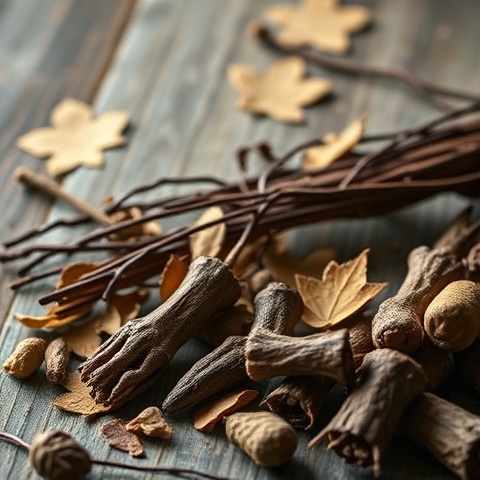
Okay, so now we’re at the part where the rubber meets the road—how do we actually prepare these natural remedies? First up is teas, one of my favorite ways to enjoy roots! Making herbal tea from roots is simple. You just chop your root, simmer it in water for about 20 minutes, and voila! You’ve got yourself a soothing drink. I oftentimes have a batch of ginger tea brewing for whenever I feel a little under the weather.
When it comes to barks, they can be used in different methods too. You can create a decoction, which just means boiling the bark longer to extract those healing compounds. I recommend trying this with willow bark to make a tea. Remember though to strain it well. Nothing ruins a moment of relaxation like a mouthful of bark pieces!
It’s important to note a few safety tips when harvesting these natural treasures. Avoid overharvesting—take only what you need! Trust me, I’ve learned the hard way about taking too much and ended up harming the plant. Let’s respect our nature so that it can keep providing!
Combining Roots and Barks with Modern Wellness Practices
If you’re wondering how to incorporate these remedies into your life without ditching modern practices, there’s a perfect balance to strike! Integrating herbal remedies into daily diets can be as simple as adding turmeric into golden milk or ginger into your breakfast smoothie.
And it doesn’t stop there! I find combining these natural healing methods with mindfulness to be particularly effective. Imagine sipping on some herbal tea while you meditate or do yoga. The serene atmosphere mixed with the healing vibes of the plants is pure bliss. I often chuckle to myself, realizing how far I’ve come from only relying on over-the-counter medicine.
Creating your own wellness regime can involve looking at the synergy between what’s natural and what’s conventional. For instance, I no longer exclusively reach for pain meds; I combine them with herbal options. It’s like having the best of both worlds! Just remember to chat with a healthcare professional, so you know how everything interacts.

Ethical and Sustainable Harvesting Practices
Talking about roots and barks brings us to a crucial topic—ethical and sustainable harvesting practices. It’s essential to source these plants responsibly to protect our ecosystem, right? I mean, we want future generations to experience the beauty and benefits of herbs!
One of my favorite tips is to only harvest what you need! Overharvesting can significantly harm plant populations and biodiversity. Honestly, it’s sometimes hard to resist the urge to take a whole bunch, especially when I’m out foraging in nature. But I’ve learned the hard way to respect our environment.
You should also familiarize yourself with local laws and regulations concerning plant harvesting. Many places have guidelines to ensure that harvesting doesn’t harm local ecosystems or endangered species. Even educational workshops in your community can help you identify which plants are safe to harvest.

Common Misconceptions about Roots and Barks
Let’s clear the air about some common misconceptions surrounding roots and barks! A lot of folks think that because these remedies are natural, they’re 100% safe. But, just like anything else, they can have side effects. Remember that time I drank too much ginger tea? You guessed it, a stomach upset was the result! I learned that moderation is key—even with natural stuff.
Also, herbs can’t cure everything! I’d love to tell you that ginger can fix all your ills, but that would be giving too much credit. Herbs can serve as great complementary tools, but relying solely on them isn’t advisable. They work best when integrated with other health practices.
Finally, it’s important to understand that not all remedies will work for everyone. What works wonders for me may not be as effective for you. Everyone’s body is different, so it’s good to experiment—but stay cautious!

Getting Started: Your Journey with Healing Roots and Barks
So, are you ready to dive into the world of healing roots and barks? Picking the right ones can feel a bit overwhelming at first. Start by doing some research on which roots and barks interest you the most. A great way to start is by visiting your local farmers’ market where you can chat with herbalists and get some insider tips!
Another option is to connect with online communities or local classes focused on herbal medicine. There are endless resources available, from books to YouTube tutorials. I’ve gained so much knowledge simply by watching tutorials and chatting with people in these communities. They can be fantastic supporters on your journey!
Remember to start small. Pick a couple of roots or barks that resonate with you and experiment. It takes time to become comfortable with these remedies, but it’s worth the effort!
Conclusion
The potential of healing with roots and barks is vast and tied to our heritage. By exploring these natural remedies, we honor ancient wisdom while stepping into a healthier future. I encourage you to step out there and see how these natural resources can fit into your life! Research, connect with herbalists, and experiment with various remedies. And please share your experiences in the comments below—I’d love to hear how you’re embracing the healing powers of roots and barks!