

Did you know that over 70% of the Yoruba people rely on traditional herbs for healing? It’s pretty surprising, right? Yoruba spiritual healing plants play an essential role in health and spirituality, intertwining nature with culture. When I first started learning about these natural remedies, I was amazed at how so many plants in nature have special powers to aid in healing. This article explores unique insights and lesser-known aspects of these powerful plants, shedding light on their spiritual significance and healing attributes that go beyond the conventional. Let’s get cozy and explore this fascinating topic together!

Yoruba Spiritual Healing Plants
Understanding Yoruba Spiritual Healing
Yoruba spirituality is deeply rooted in tradition, and each aspect of it often involves a connection to nature. Historically, the Yoruba people have used plants not just for their medicinal properties but also for their spiritual significance. It’s like each plant carries a story, a history, and a unique energy. It’s fascinating!
Plants in Yoruba culture are often viewed as living entities with spirits, and this connection goes back many generations. For instance, elders in the community might whisper to a giant baobab tree as part of a ritual—almost as if they’re activating its healing power. This age-old reverence indicates how plants and nature are not seen as mere resources but as cherished allies in the journey of healing and wellness.
The relationship between plants and healing is rooted in plant medicine. It’s a holistic approach that considers not only the physical ailments but also the emotional and spiritual aspects of well-being. It’s not just about treating the symptoms; it’s about nurturing the whole person. And this approach is still evident today as people seek out these natural remedies instead of, or alongside, conventional medicine.
Top Yoruba Healing Plants and Their Uses

Now, let’s dive into some of the top Yoruba healing plants you might want to know about! Here’s a short list of key plants that have been revered for their powers.
- Ogbono (Irvingia gabonensis) — This delightful fruit is not only enjoyed in soups but is also known for its ability to help with digestion and weight management. I once tried using it in a stew, and it added such unique flavors!
- Efirin (Plectranthus amboinicus) — This aromatic herb is often used to treat respiratory issues. My grandmother used to brew it as tea, and I remember the comforting smell wafting through the house every time!
- Bitter Leaf (Vernonia amygdalina) — This strong-tasting leaf is used for a variety of ailments, from malaria to stomach issues. Honestly, I found its bitterness off-putting, but it has its place in the healing arts.
Different ailments can be treated using specific plants, and that’s where the knowledge of preparation comes into play. For instance, Ogbono can be grounded to a powder and added to water to harness its properties for easier digestion. The simple wisdom passed through generations is truly inspiring!
Cultural Significance of Yoruba Healing Practices

The connection between culture and healing plants in Yoruba tradition is something to marvel at! Healing practices often involve rituals and ceremonies that acknowledge and celebrate the presence of plants.
For example, when someone in the village is unwell, you might find a gathering where family and friends come together, offering prayers and using specific herbs, all infused with love and unity. There are stories passed down through generations about these amazing herbs, each tale adding a layer of meaning to why a particular plant is so valued. I remember hearing a story about a legendary healer who could talk to the plants; it felt magical!
Spirituality has a way of connecting us—by involving plants in healing, it reinforces our bond with nature and each other. It’s incredible how plants function not only as treatments but also as symbols of hope and healing within the community. If you ever visit a Yoruba ceremony, you’ll probably notice how everyone honors the plants.
How to Integrate Yoruba Healing Plants into Modern Life

So, how do you bring this ancient knowledge into your own life? I’ll tell you! I truly believe anyone can benefit from these practices. You can start with some modern recipes that incorporate these traditional herbs. How about using Efirin for a refreshing tea? Just boil some leaves, add honey for sweetness, and enjoy! It’s that easy.
You can also create DIY remedies for common ailments. For instance, choose bitter leaf and crush it to make a paste for skin irritations. Just remember to do a patch test first because you never know how your skin might react—trust me, it can get a bit tricky!
Mindfulness practices can also be linked to the use of these healing plants. Sit outside, breathe in the aroma of nature, and try using herbs during meditation or yoga sessions. You can keep a small pot of Efirin on your windowsill; the fragrance wafting around creates a calming environment. Getting creative and connecting with nature can have incredible effects on emotional well-being, and it can lift your spirits!
Challenges and Conservation of Yoruba Healing Plants
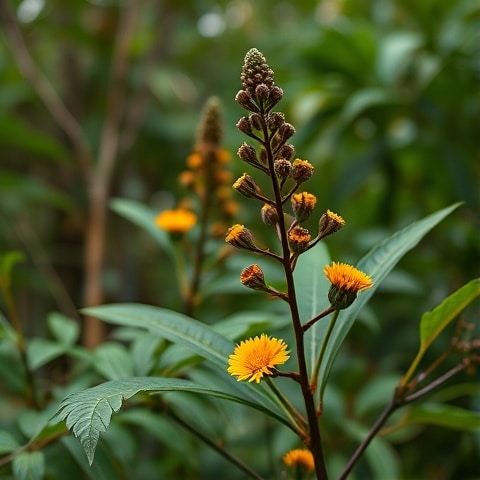
It’s not all sunshine and flowers, unfortunately. There are challenges that threaten the biodiversity of these vital herbs. The rapid urbanization and climate change are leading to a decline in many plant species traditionally used for healing. It’s somewhat frustrating when you think about how much wisdom is wrapped in these plants!
Efforts in sustainable harvesting are growing, though. Many local communities now emphasize the importance of not over-harvesting. They’re working to ensure that the knowledge of these plants is passed on to future generations. It’s like a gentle reminder that we need to be stewards of the earth!
Preserving traditional knowledge is equally important. There are initiatives to teach younger generations about the significance and uses of these plants. I remember one local farmer explaining to me how certain plants grow in synergy with each other, and I found it so fascinating! Hearing these stories firsthand emphasizes the vastness of knowledge that can get lost if we don’t share it.
Yoruba Plant Healing vs. Other Traditional Healing Systems

Let’s take a moment to compare Yoruba healing practices with other traditional healing systems worldwide, shall we? For example, Western herbal medicine is often more focused on individual plant compounds and their active ingredients. In contrast, Yoruba practices emphasize the spiritual context and holistic healing.
Yoruba healing can often incorporate elements of spirituality alongside physical treatments, while Western practices may concentrate on the science behind it. I’ve had friends from different cultural backgrounds share their experiences, and it’s always eye-opening to see how deeply intertwined their methods are with cultural beliefs.
The unique aspects of Yoruba practices shine brightly and can find a middle ground or collaboration with other systems. Imagine a world where different traditional healing systems come together! With some concerted efforts, we could broaden our horizons and offer even more effective solutions to health-related issues.
Future of Yoruba Spiritual Healing Plants

Looking ahead, the future of Yoruba healing plants seems promising yet requires attention. There are new research developments aimed at scientifically validating how these plants benefit health. Isn’t that cool? We’re finally getting to back up what has been passed down through generations with measurable evidence!
The role of these plants in global health awareness is also crucial. As more people become interested in natural remedies, we can attract attention to the importance of preserving these plants. It can be rewarding to see herbal remedies gaining popularity and being recognized on a bigger stage.
As for innovations, we might find new ways to incorporate these plants into everyday life—think easy-to-make tinctures or ready-to-use herbal teas! Each advancement opens doors to creative applications, keeping these traditions alive while also adapting to modern needs.
Conclusion
In summary, Yoruba spiritual healing plants offer a rich mix of tradition, health, and spirituality. As we explore these natural remedies, we deepen our connection to wellness and culture. So, why not join me and embrace these potent plants? What’s one herb you think you might want to try? Let’s be mindful and respectful of the old ways while customizing our health journeys. And please share your experiences in the comments! Let’s inspire each other on this incredible path towards healing with nature!