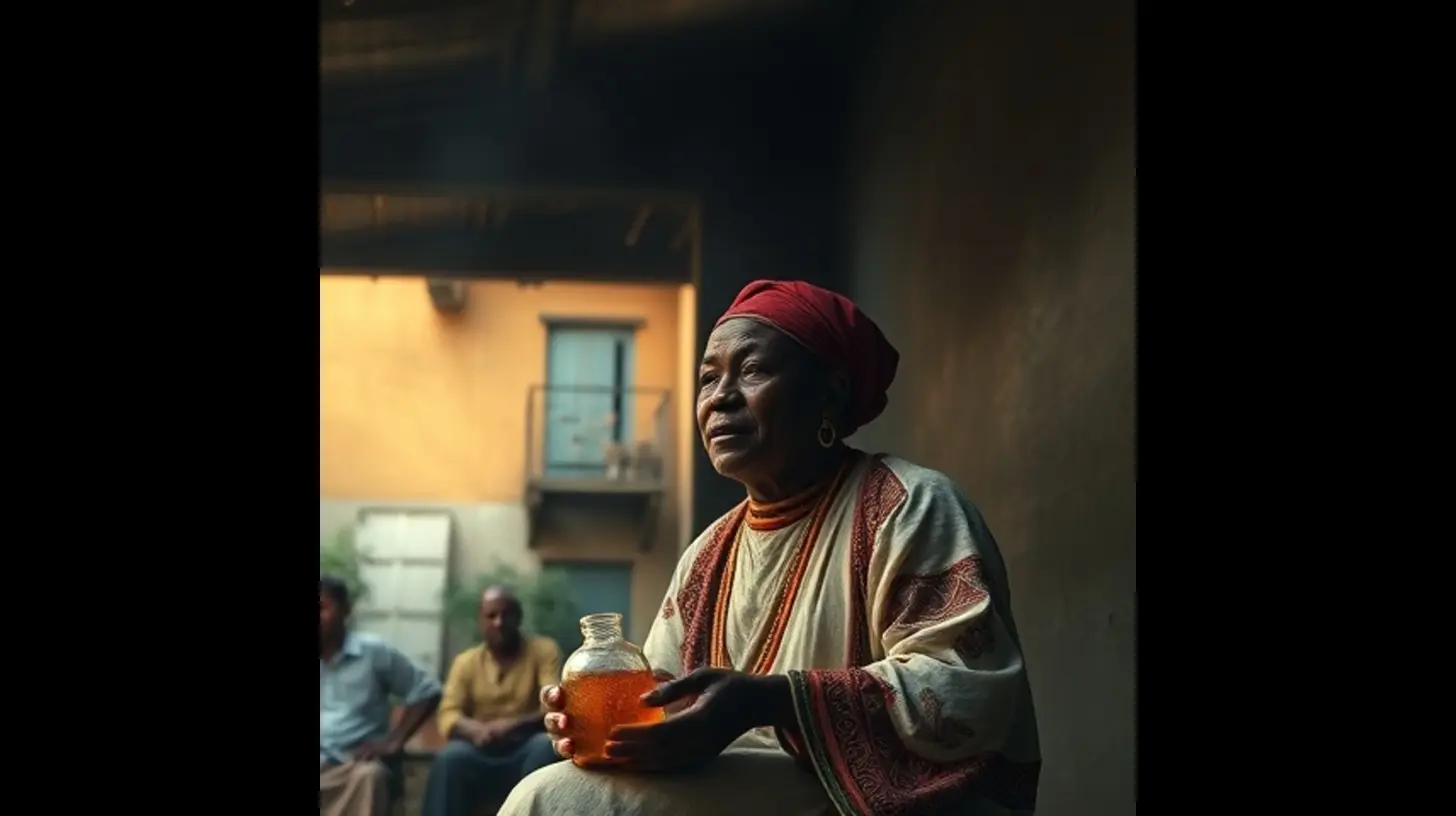
Did you know that over 70% of indigenous medical practices in Africa faced huge challenges due to to colonization on Yoruba Medicine? It’s wild to think about, right? Colonization has not just reshaped cultures, but it also fundamentally altered how communities approached health and healing. This certainly rings true for Yoruba medicine, a rich and intricate system of healing that emerged from the Yoruba people in Nigeria. Today, we’re going to take an interesting journey into how Yoruba medicine changed after colonization and what that means for us today. Let’s chat about the struggles, adaptations, and the beautiful resurgence of traditional practices in a world dominated by modern medicine!
Table of Contents
The Historical Context of Yoruba Medicine
So let’s step back in time for a moment and take a look at Yoruba medicine before colonization happened. It was a time when healers, often called ‘Babalawos’ or ‘Iyalawos’, played crucial roles in their communities. They used a fascinating mix of herbal remedies, prayers, and rituals that were often guided by the spirits. Can you imagine!? This blend of spirituality and medicine made their practices not just about healing the body but also the mind and spirit. In Yoruba society, the healers were respected figures, deeply trusted by the community because they weren’t just treating sickness; they were caring for people holistically.
These practitioners often passed down their knowledge through generations, ensuring that the cultural significance of healing was preserved. They used medicinal herbs, many of which are still used today, like ginger and garlic, which are not just tasty additions to our food but hold a wealth of health benefits as well. Oh, and don’t even get me started on the storytelling aspect! Healers would share tales while treating patients, connecting everything from science to spirituality. It was a time of deep relationships built on trust and understanding.
But then, the winds of change swept across the land, and the introduction of colonial rule began to shake things up. That’s a heartbreaking twist, right? The colonization led to a significant disruption of these traditions, which we’ll explore further in the next section.
Colonial Rule and Its Disruption
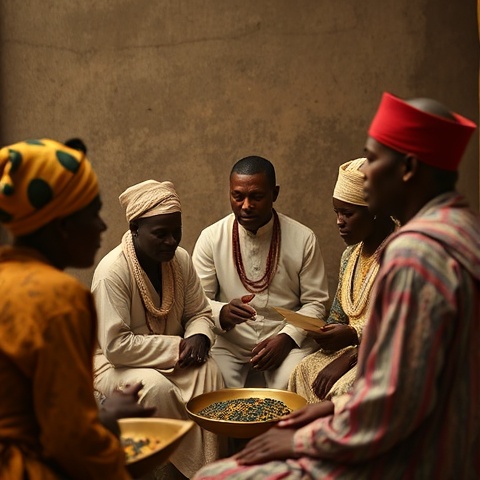
When the colonization era hit, it brought more than just new people to power; it ushered in Western medicine that was vastly different from what the Yoruba had practiced. At first, many in the community were intrigued by Western methods. After all, colonial authorities boasted about their health benefits. Who wouldn’t be curious?!
But over time, and especially as the colonial health policies took hold, societal trust began to shift. Imagine a doctor arriving with shiny new implements instead of the familiar, calming presence of your local healer. It caused confusion and, honestly, a bit of panic. There’s this compelling story about a healer in my community who told me how he felt when people he’d known for years started turning to colonial doctors for help. It was like losing a part of himself, losing that bond built over years of care and trust.
This shift wasn’t just a matter of choosing a new treatment – it felt like choosing a new culture! Many traditional methods were heavily criticized or dismissed entirely, leading to the decline of Yoruba practices. As community narratives shifted, those old healing stories started to fade, forcing healers to adapt or face extinction.
As these changes unfolded, the very fabric of their medical traditions began to fray under the weight of colonial influence. You could feel the tension between those wanting to hold on to their traditional practices and those who felt pressured to adopt this ‘new’ way of healing.
The Adaptation of Yoruba Medicine
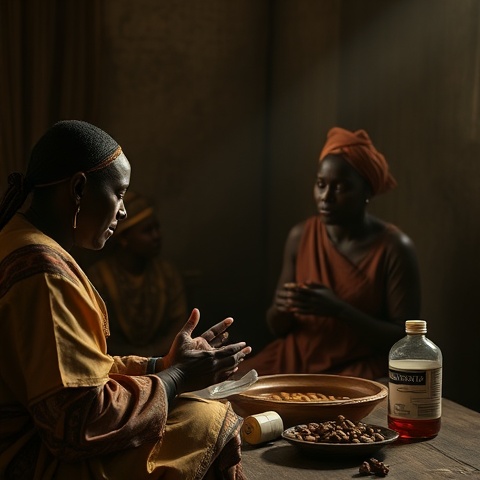
But waiting for this adaptation is where things get interesting! Yoruba practitioners are pretty remarkable. They’re resilient folks! It’s kind of inspiring how they found ways to blend traditional practices with Western methods. Many healers began incorporating elements of Western medicine while staying true to their roots. For instance, using herbs alongside prescribed medications or utilizing rudimentary Western diagnostic techniques like checking blood pressure while still offering spiritual healing.
You might hear about hybrid practices that emerged, where, say, a healer deals with physical ailments but includes prayers and rituals that cater to the spiritual aspect of health. I know a healer who uses both Western medicine for initial diagnosis and then relies on her ancestral knowledge to suggest herbal remedies. That blend is a beautiful display of adaptability!
These hybrid practices show that it’s not about replacing one with the other; it’s about finding a middle ground. Maybe, just maybe, humanity is a little better when we embrace that kind of blending? It’s like finding your favorite mix of toppings on a pizza. Sometimes, the combination makes it even more delicious!
The story of adaptation is also filled with case studies that show the resilience of these practitioners. They highlight that while colonization brought about significant changes, it couldn’t completely erase centuries of knowledge and practice. So many community members still seek out traditional healers, proving that there’s still a place for Yoruba medicine even amidst new influences.
Cultural Resilience and Revival Movements
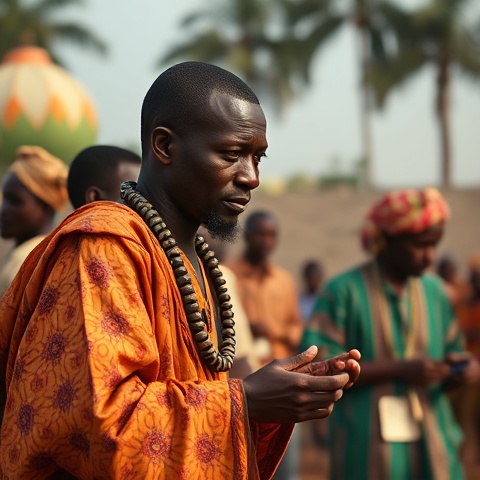
Fast forward to today! With so much happening globally, there’s been a resurgence in cultural identity movements that highlight and promote traditional healing. Isn’t it refreshing? People are caring much more about their roots and what makes them unique! Modern practitioners are stepping up to revitalize Yoruba medicine, taking what they can from old traditions but making it relevant in today’s context.
There’s a rich tapestry of revival movements that focus not just on healing but on restoring cultural pride as well. For example, workshops and community gatherings are encouraging people to learn about their medicinal herbs while fostering a sense of identity related to an ancient practice. I once attended a local festival, where herbalists demonstrated their crafts, and you could feel the excitement in the air; people were reconnecting with their past! It was like watching an entire community getting recharged.
However, globalization isn’t an easy path. While it creates opportunities for traditional medicine to shine, it can also lead to misunderstandings or misappropriations. Modern marketing can sometimes twist the intentions of these age-old practices, leading to watered-down versions that don’t respect the original values and meanings. It’s a bit frustrating, but that’s why being informed and respectful of these traditions is so crucial!
All in all, Yoruba medicine is experiencing a fascinating renaissance. It shows us that when cultural heritage is celebrated and acknowledged, something incredibly beautiful comes alive.
Case Studies: The Impact on Specific Healing Practices
Let’s pull the reins back and take a closer look at specific practices in Yoruba medicine. Have you ever heard of the medicinal herb, “Eucalyptus”? It might seem familiar, right? When I spoke to a healer in my community, he shared fascinating stories about how eucalyptus was used for respiratory issues long before Western medicine knew its benefits.
These herbs aren’t just scientific – they are deeply tied to rituals and often combined with ceremonies that honor the spiritual world. But here’s where it gets interesting! Over the years, many healing rituals have shifted. Some ceremonies that were once vibrant events now feel toned down, possibly losing that sense of community celebration.
Meanwhile, testimonials from community members have told tales of lost practices but also of those who bravely hold on to their traditions. One fellow shared how his grandmother would chant life into the potions she made, using both herb and spirit as one. Those stories remind us that while some practices may have lost their former glory, many are still very much alive and kicking!
Understanding each healing practice is essential as they tell the stories of resilience and adaptation. Some clients might arrive at a healer’s doorstep expecting a pure, unaltered treatment but leave with a lesson about personal connection to those roots!
The Future of Yoruba Medicine in a Globalized World
As we move forward into an increasingly globalized world, Yoruba medicine still faces challenges. Traditional practitioners may struggle against modern health systems, and some might find themselves sidelined. But I believe there’s always hope for integration, which could be a win-win, bringing together the best of both worlds.
Current challenges include staying relevant amid the fast pace of today’s medical advancements. But this relationship need not be adversarial! Think about it: combining the sharp, evidence-based practices of modern medicine with the time-honored traditions of Yoruba healing could create something beautifully dynamic!
Practitioners can explore partnerships with Western doctors to create a balanced approach. This not only serves the community better but also preserves the rich knowledge held within Yoruba traditions. Isn’t that an exciting possibility? It’s all about having those heart-to-heart conversations in the community and with the medical world.
As we look ahead, we must value and support the preservation of Yoruba medicinal knowledge. Ignoring it or letting it slip away would be a great loss, not just for Nigeria, but for us all! So, if you’re interested in this kind of work, consider connecting with local healers or attending workshops. You never know what valuable lessons they still carry.
Conclusion
So, there you have it! The impact of colonization on Yoruba medicine is a story filled with profound challenges and bright adaptations. From the roots of tradition to a blend of modern techniques, it’s a journey that highlights the resilience and beauty of culture. As we tread into a future steeped in globalization, we must remember to honor and support those cultural practices that shape our identity.
If you have experiences or stories regarding traditional healing or cultural practices, I’d love for you to share them in the comments! Let’s keep this conversation going and help hold tradition close, even in the face of modernization.