

Explore the evolving perspectives on Yoruba plant medicine, highlighting modern interpretations and applications in contemporary wellness practices.
The examination of Yoruba plant medicine reveals an intriguing intersection between traditional knowledge and contemporary scientific explorations. This article delves into how modern practitioners are integrating ancient wisdom with current health paradigms, emphasizing a unique narrative around adaptability and innovation in herbal healing. While much of the discourse centers around the historical aspects of Yoruba medicine, this piece highlights ongoing transformations and the emerging role of Yoruba plant medicine in holistic and integrative health practices today.
Table of Contents

Historical Context of Yoruba Plant Medicine
When I first started diving into the rich history of Yoruba plant medicine, I was struck by how deeply intertwined it is with the cultural practices of the Yoruba people. For centuries, herbal practices have played a pivotal role in the health and spirituality of communities across Nigeria and beyond. Traditional healing wasn’t just about physical ailments; it was a holistic approach that involved the mind, body, and spirit.
Yoruba traditional healing practices originate from centuries-old traditions, where healers, often referred to as Babalawos or Iyalawos, held knowledge passed down through oral traditions. These individuals not only acted as medical practitioners but also as spiritual guides. They used a variety of plants—like neem, ginger, and hibiscus—each carrying its own folklore and mystical significance.
I remember my grandmother sharing stories about the time she sought the help of a local healer for a stubborn cough. The healer didn’t just give her a potion made from herbs; he also performed a ritual that invoked the spirits for protection and healing. This illustrates the profound respect and trust placed in herbal medicine—a theme that resonates throughout Yoruba culture.
Key figures in the history of Yoruba herbal medicine have served as the pillars of this tradition. They include revered healers, who wielded not just medical knowledge, but also an understanding of spirituality and community dynamics. Through their patient-centered practices, they emphasized the importance of listening—both to the body and to the wise counsel of ancestors.
Oral traditions and folklore play an essential role in shaping Yoruba medicine. The stories shared by elders encapsulate wisdom regarding the medicinal properties of plants. They’ve served as a living library, preserving knowledge that scientific studies are only beginning to validate. This intertwining of spirituality and healing practices continues to inspire modern practitioners, ensuring that the essence of herbal healing evolves yet remains rooted in its cultural heritage.

Modern Interpretations of Yoruba Herbal Treatments
In today’s fast-paced world, the influence of globalization on Yoruba medicinal practices is both profound and complex. I once spoke to a herbalist who works in an urban center and found it fascinating how he melded traditional Yoruba practices with modern approaches. He mentioned that, while globalization has introduced challenges—like the pressures to commodify healing—it has also opened pathways to share these age-old practices with a broader audience.
Case studies abound of Yoruba herbal medicine successfully integrating into modern healthcare systems. For instance, some hospitals in Nigeria now collaborate with traditional healers to address health disparities in local communities. These collaborations aim to augment medical treatments with herbal solutions, promoting a more comprehensive approach to health. This blend of ancient and modern practices offers a practical and often more culturally relevant way to approach wellness.
Yet, the path isn’t without obstacles. Practitioners face challenges in maintaining the authenticity of their methods. There’s a constant pressure to adapt and commercialize their knowledge in a way that sometimes conflicts with their cultural identity. I recall a conversation I had with a student studying herbalism who expressed her struggles: she wanted to honor the tradition while also making it accessible to people who might be unfamiliar with Yoruba culture. It’s a delicate balance.
Furthermore, the rise of social media and wellness influencers means that information can quickly spread, but not all of it is accurate. There’s always the risk of oversimplifying or misrepresenting complex plant therapies, which can dilute their cultural significance. Sharing stories and experiences within the community is crucial in this era—helping practitioners advocate for authenticity and responsible use of these sacred plants in contemporary wellness practices.

Scientific Validation of Yoruba Herbal Remedies
The conversation around Yoruba plant medicine is increasingly bolstered by scientific inquiry, leading us to explore the effectiveness of these remedies through rigorous research studies. It ranges from examining the efficacy of specific plants, like the use of moringa for its nutritional benefits and anti-inflammatory properties, to the soaring interest in the empirical data that supports human experiences.
I’ve come across various studies that have detailed the benefits of plants used in Yoruba medicine. For example, researchers have published findings on the analgesic properties of ginger, a staple in many Yoruba households for its ability to relieve pain and nausea. It’s incredibly heartening to see that what has been used for generations is getting a scientific nod. The collaboration between traditional healers and researchers is a crucial step towards bridging the gap between traditional and modern practice.
Ethnobotany, the study of the relationship between people and plants, plays a significant role in documenting how plants are used in Yoruba communities. As researchers work alongside healers, they are not only validating the medicinal properties of plants but also preserving invaluable traditional knowledge that risks fading away—especially in the midst of rapid urbanization.
Every time I read a new paper validating herbal remedies, it reaffirms my belief in the power of nature to heal. Yet, one must also approach this integration with care. Ethical considerations about the ownership of knowledge and the potential exploitation of indigenous practices have come to the fore. Protecting the rights of traditional healers while sharing knowledge is paramount in fostering respect for these contributions to global health.
With scientific validation, there’s hope for Yoruba herbal practices to be embraced within a modern health framework—allowing these natural remedies to be recognized alongside pharmaceuticals. I envision a future where herbal medicine coexists with conventional medicine, each respecting the other’s strengths and limitations.
Cultural Relevance and Spiritual Aspects of Plant Medicine
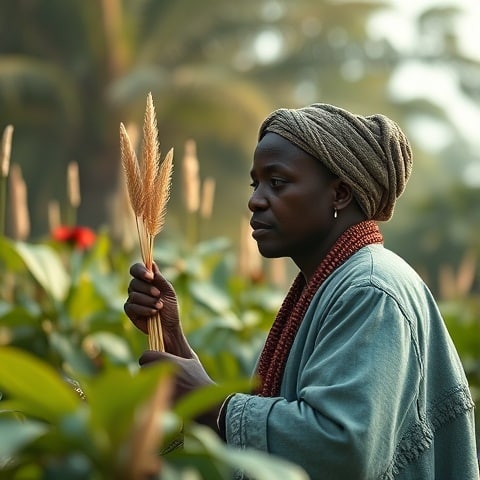
The spiritual dimension of Yoruba plant medicine is perhaps one of its most beautiful aspects. For countless individuals, healing is deeply woven into their spiritual beliefs. The Yoruba people believe that plants often possess spirits—each carrying a unique energy that interacts with individuals seeking healing. It’s not just about physical recovery; it’s a dance between the spiritual and the corporeal.
Attending a traditional healing ceremony was a transformative experience for me. The healer, surrounded by herbs and charms, invited the spirits of the plants to join in the healing process. This vibrant engagement blurred the lines between medicine, spirituality, and community. The ceremonial roles that these plants play in modern Yoruba life are crucial for cementing cultural identity while addressing health needs.
In today’s world, the impact of cultural preservation on contemporary practices is immense. As globalization threatens to homogenize cultures, there’s a newfound urgency to celebrate and safeguard Yoruba herbal knowledge. This is not merely an act of preserving history but a way to enrich modern healing practices. Communities are re-emphasizing the value of their traditions through workshops, storytelling, and art—fostering pride in ancestral knowledge.
A visit to a nearby Yoruba cultural festival stood out for its dedication to showcasing traditional medicine and spirituality. It illustrated how communal gatherings serve to revive interest in herbal practices, blending education with celebration. Such events underscore the significance of collective healing and belonging, reminding us that wellness is not just an individual journey but is inherently tied to our roots.
Emerging from these gatherings comes an understanding of how spirituality informs the use of herbal medicine—a compelling narrative driving contemporary practitioners to embrace a holistic view of health. As the popularity of alternative therapies rises, embedding spirituality within health practices provides depth and meaning, encouraging individuals to reconnect with their heritage while exploring innovative methods of healing.

Yoruba Plant Medicine in Wellness Trends and Integrative Approaches
As I navigate the wellness industry, I’ve noticed a notable shift towards the integration of Yoruba medicine within broader wellness practices. Many individuals are now seeking holistic approaches to health—embracing plant-based remedies and the mindfulness that comes with them. It’s exciting to see Yoruba herbal practices gaining traction not just in Nigeria but across the globe.
The role of Yoruba medicine in current wellness movements cannot be understated. Integrating herbal treatments into daily routines offers practical solutions for maintaining physical and mental health. Just the other day, I came across a vibrant herbal tea blend inspired by Yoruba traditions. Infused with hibiscus and ginger, it promised not just refreshment but also a boost to immunity and a aid in digestion. These beverages have become staples in wellness culture, merging traditional understanding with contemporary needs.
The interplay between Yoruba medicine and practices like yoga and mindfulness is intriguing. I’ve begun incorporating herbal remedies into my wellness routine, layering them under meditation sessions and yoga practices. It’s a way to boost the experience—calling on the nourishing qualities of plants to enhance my connection to self and nature.
However, challenges arise. Some practitioners worry that the blending of yoga, nutrition, and traditional medicine may dilute the deeper meanings of their practices. This concern is valid, as commodifying these sacred traditions can undermine their inherent value. On the other hand, community-driven initiatives focusing on education can help combat this dilution, ensuring that respect and authenticity remain at the forefront.
Through herbal remedies gaining popularity, the wellness culture opens doors for more people to engage with Yoruba medicine. Whether it’s through workshops, community health programs, or online platforms—there’s a growing movement to unite different health philosophies. With that said, it’s essential to approach this integration thoughtfully and intentionally, valuing the knowledge and history that shapes these practices.
Future Directions for Yoruba Herbal Medicine
Looking ahead, the prospects for innovation and modernization in Yoruba herbal medicine are incredibly promising. As a culture deeply rooted in oral tradition, embracing technology can propel Yoruba practices into the modern age without losing their essence. For example, the rise of telemedicine presents new opportunities for practitioners to reach wider audiences while continuing to educate about herbal remedies.
Technological advancements are enriching herbal medicine research, enhancing our understanding of plant efficacy. Research tools, such as digital herbarium databases, allow scientists to document and study the vast number of plants used in Yoruba medicine. This growth not only solidifies the knowledge base but also includes avenues for collaboration that bring together diverse perspectives within the scientific community.
The potential for global influence is also noteworthy. As dialogues about health disparities and wellness alternatives expand on socio-political platforms, Yoruba plant medicine can position itself as a valuable player in the global conversation. The interest surrounding natural and alternative remedies is surging, and Yoruba medicine could serve as a beacon, guiding people towards sustainable and culturally aware health practices.
Yet, the call for global collaboration must be paired with vigilance. It’s crucial to ensure that the voices of traditional practitioners are centered in discussions around their practices, avoiding the shadows of appropriation. There’s a wealth of knowledge within these communities that, when honored, can contribute significantly to holistic health narratives.
I envision a future where Yoruba herbal medicine thrives alongside modern medicine, each playing a crucial role in addressing health challenges and creating resilient systems—ultimately leading us all toward better health outcomes.

Education and Awareness: Bridging Traditional Knowledge and Modern Medicine
Education serves as a bridge between traditional knowledge and modern medicine, helping to normalize Yoruba herbal practices within contemporary health discussions. I recently attended a workshop that brought together practitioners from various backgrounds, discussing the importance of training upcoming generations in herbal medicine. It was inspiring to see so much enthusiasm around preserving and sharing knowledge.
Programs aimed at training future practitioners in Yoruba herbal medicine are emerging, with curriculums incorporating both traditional teachings and scientific validation. Many believe that this bilingual approach can create culturally competent healthcare providers who respect the intricacies of both worlds. Advocates emphasize that incorporating traditional wisdom into formal health education can lead to more well-rounded practitioners and empowered communities.
The impact of education on societal attitudes towards plant medicine is huge. As communities become more aware of the benefits of traditional medicinal practices, the stigma that sometimes accompanies such treatments fades. I’ve seen firsthand how sharing stories of healing—whether through social media or community gatherings—opens up conversations about the efficacy of herbal remedies and the value of indigenous knowledge.
Community initiatives play an essential role in promoting awareness and knowledge exchange. From herbal festivals celebrating local plants to workshops teaching the art of mixing herbal remedies, these events emphasize the importance of collective learning. It’s beautiful to witness the excitement of participants trying out new teas or potions inspired by their ancestors. These experiences flourish with the spirit of community, teaching individuals to reconnect with their roots.
As we embrace the blend of traditional and modern practices, it becomes evident that education and awareness are keys to revitalizing Yoruba plant medicine. Engaging younger generations and shattering stigmas, together we can cultivate an environment where both traditional knowledge and scientific understanding coexist, paving the way for richer, more informed health practices.
Conclusion
In conclusion, Yoruba plant medicine stands at the crossroads of tradition and modernity. As it evolves, the integration of traditional practices with contemporary health paradigms not only enhances the efficacy of herbal medicine but also reinstates the cultural significance of these practices. The ongoing dialogue between past and present promises a future where Yoruba plant medicine continues to flourish, not just within its cultural context but also as a valuable player in global health discussions. This journey invites us all to honor and explore the timeless knowledge of plants, a rich heritage that holds the promise of healing for us all.